WORKSHOP SCHOOL
Overview
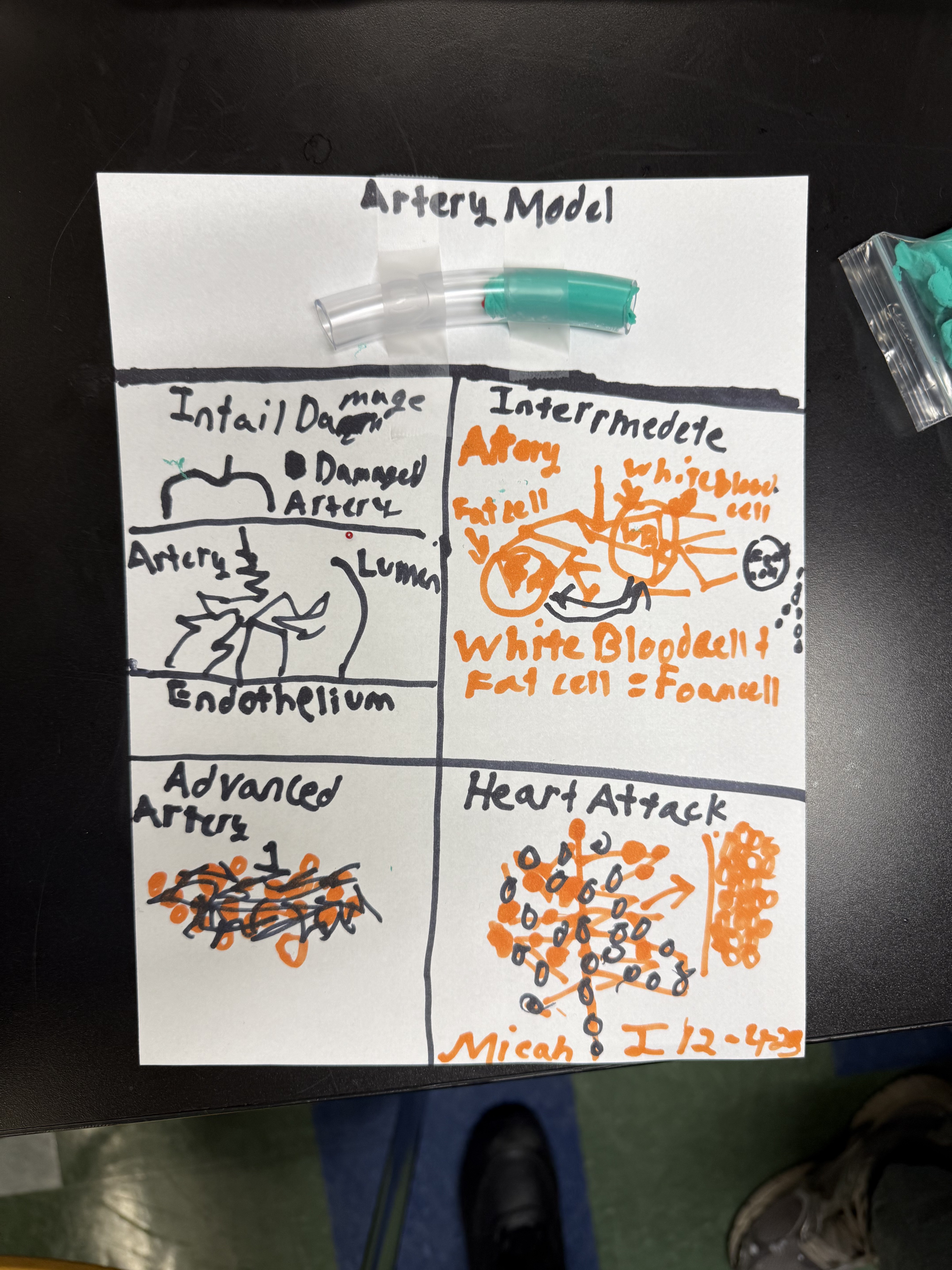
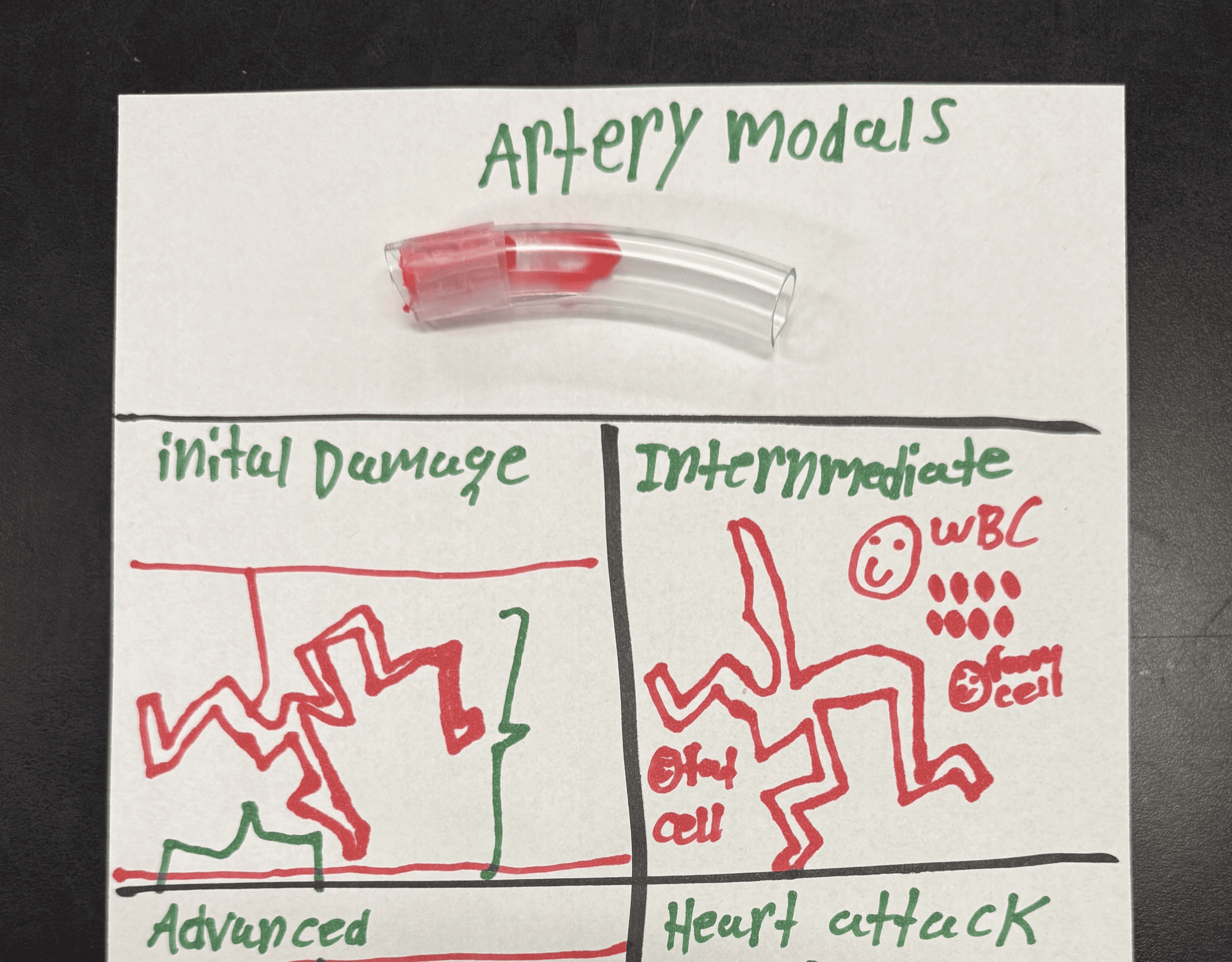
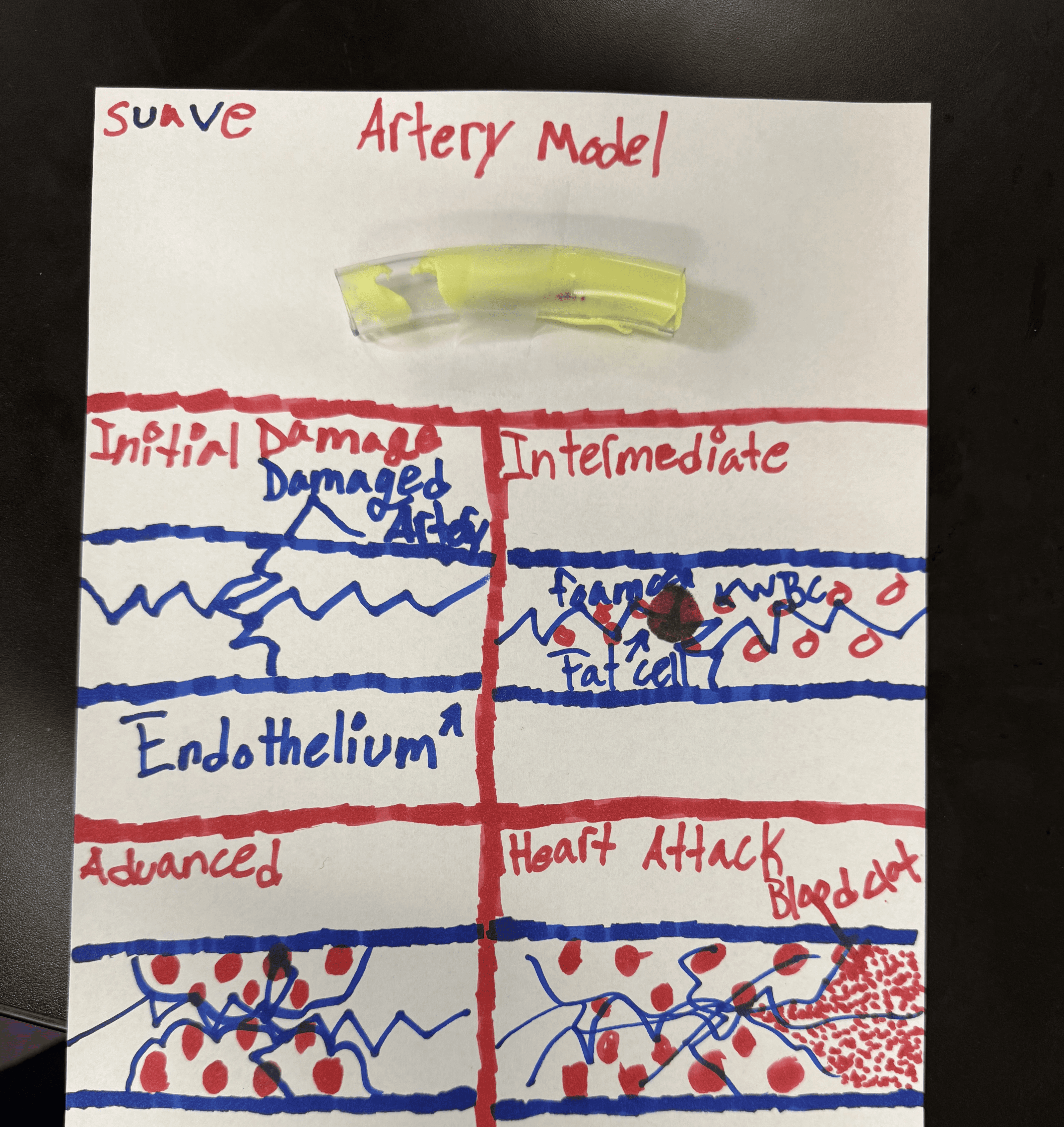
Students explored the development of coronary artery disease by modeling how cholesterol and plaque affect blood flow in arteries. Using clear tubing, beads, play dough, and other materials, they constructed step-by-step artery models to visualize endothelium damage, LDL accumulation, foam cell formation, plaque growth, and fibrous cap development.
Through drawing and building each stage, students connected the physical changes in arteries to heart function, lifestyle factors, and the risk of heart attack, gaining a hands-on understanding of cardiovascular health.
Objectives
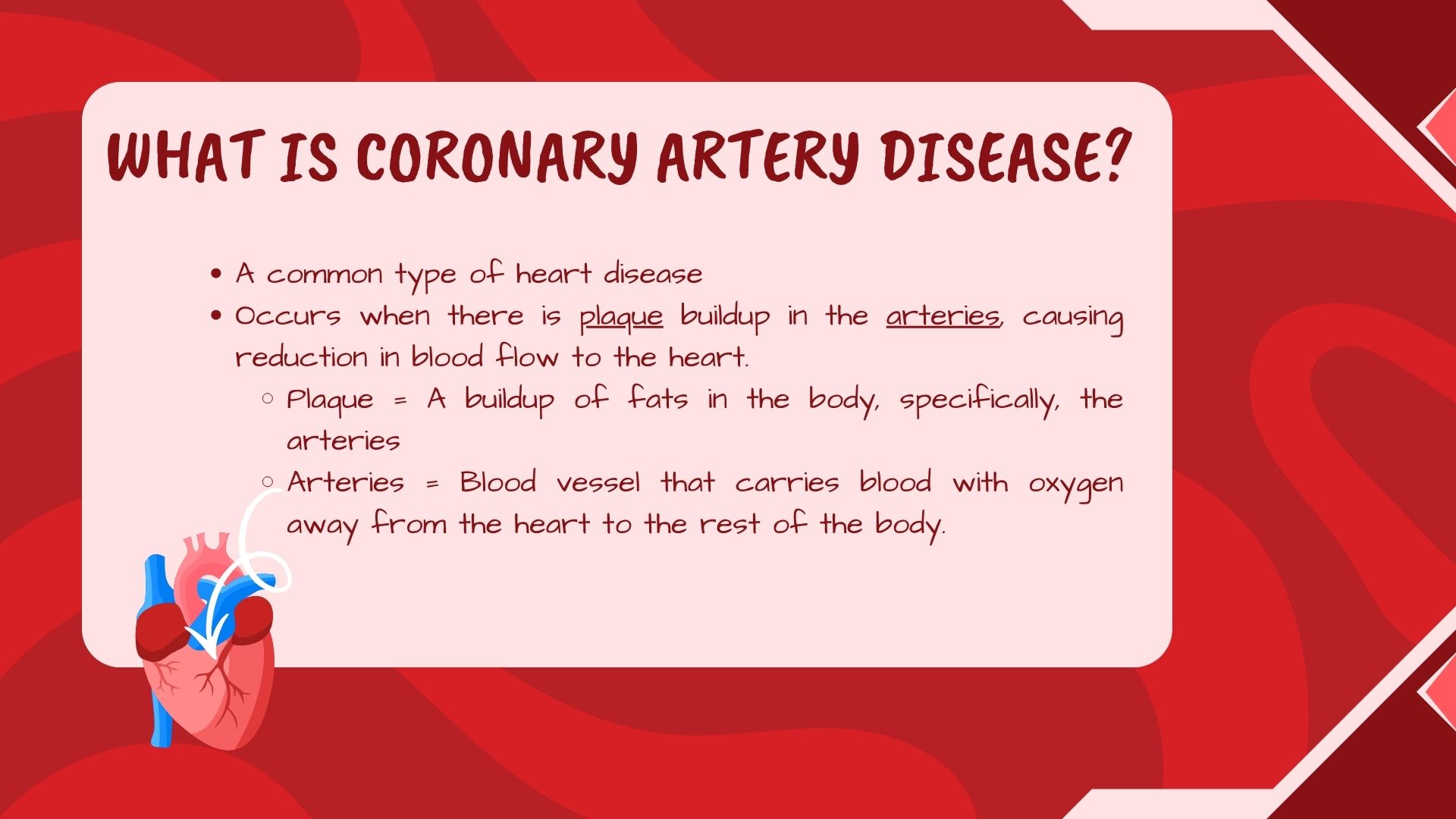
Explain how arteries transport blood and how plaque formation narrows them.
Describe the roles of LDL (“bad”) and HDL (“good”) cholesterol in artery health.
Illustrate the stages of plaque development, from initial damage to advanced atherosclerosis.
Understand how lifestyle factors (diet, exercise, smoking, stress, and sleep) influence heart health.
Apply knowledge by building and labeling a physical artery model to visualize disease progression and interventions.
Materials
Clear tubing
Play dough/clay
Red beads
Clear tape
String/pom poms
Cups to hold beads
Scissors
Workshop Outline
Please use this link to view the full outline for this workshop. A sample of the outline is provided below.
Intro
Arteries carry oxygen-rich blood to organs, including the heart
Cholesterol
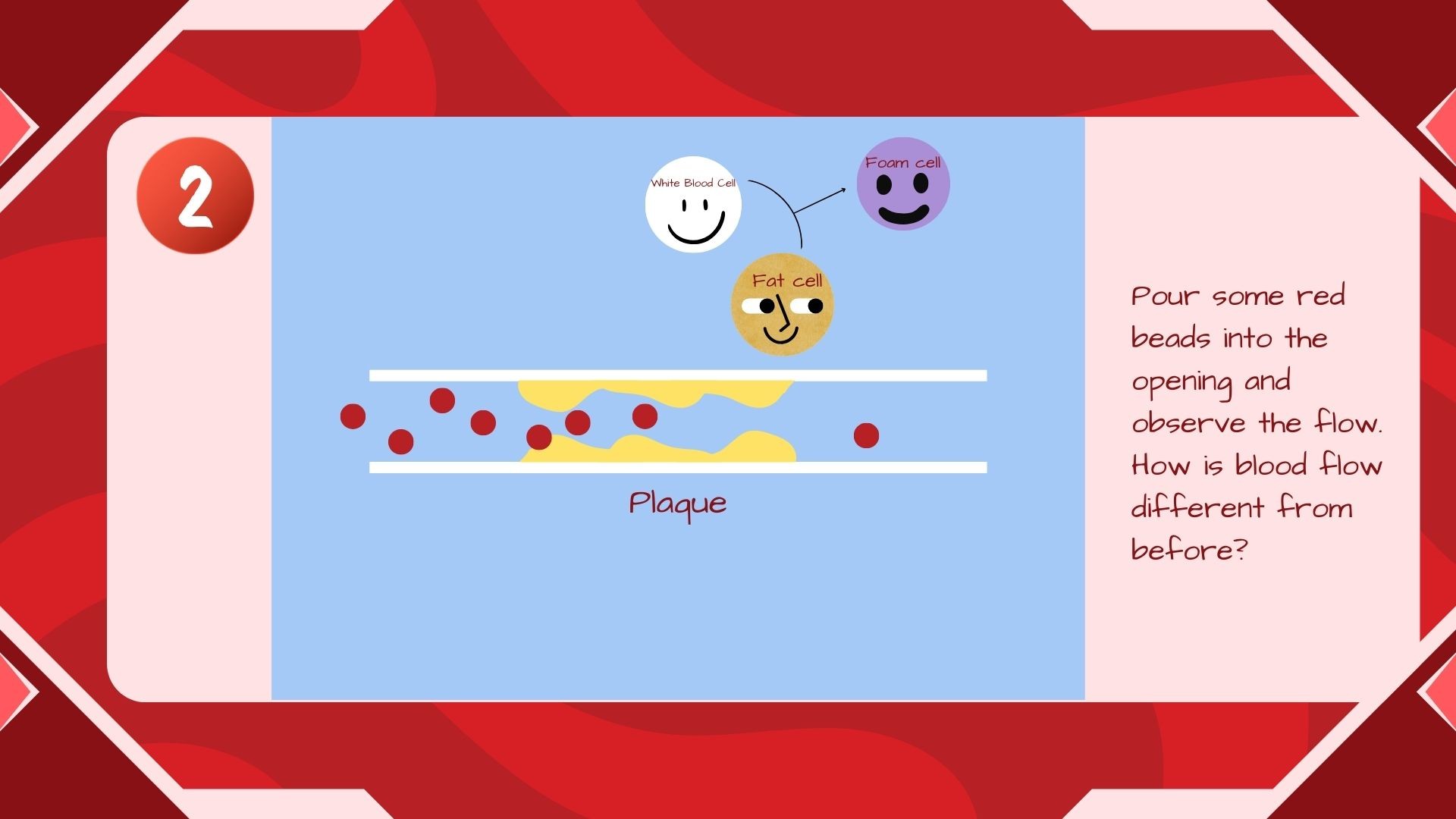
LDL/bad cholesterol can deposit in arteries
HDL/good cholesterol helps remove it
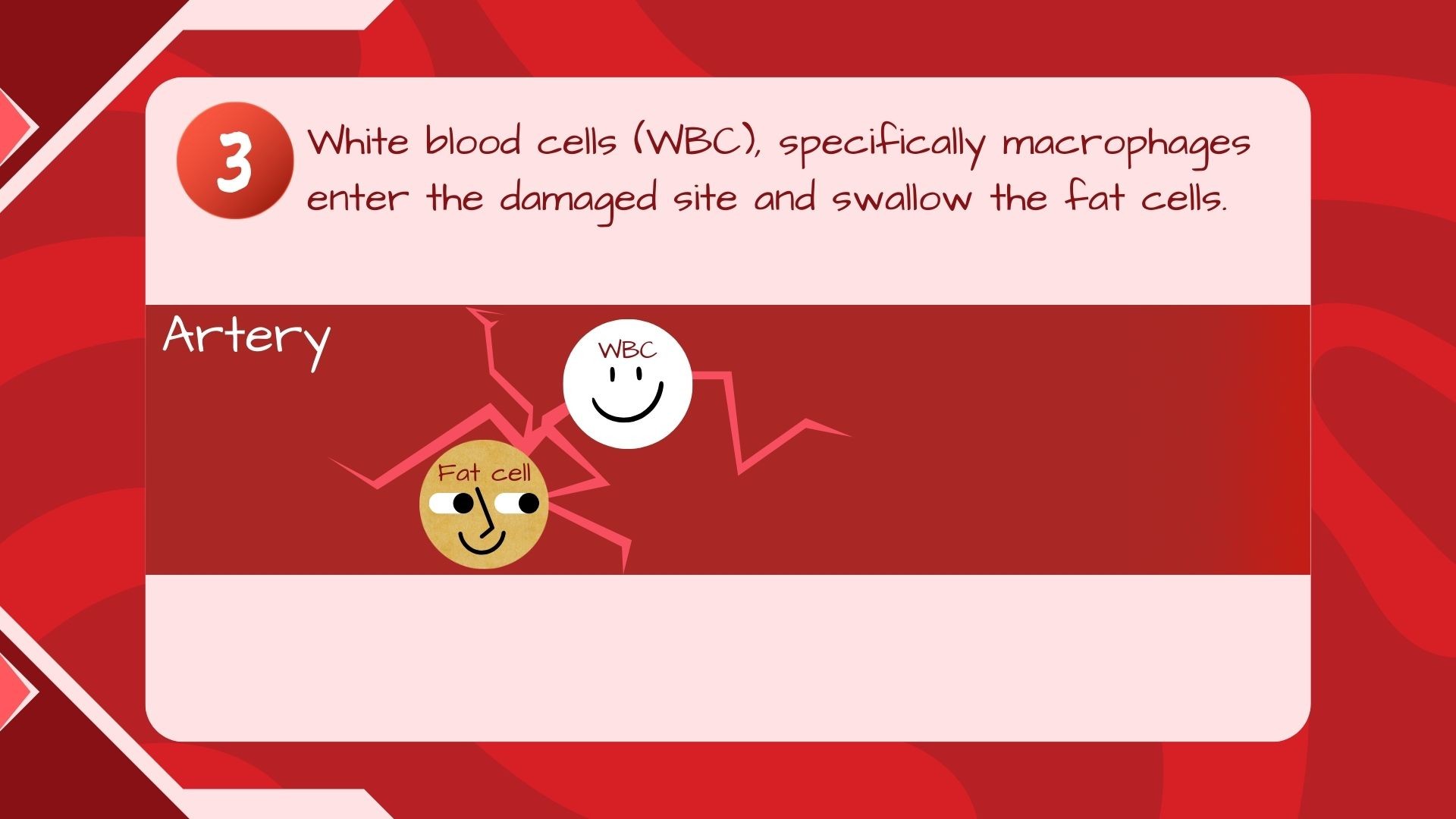
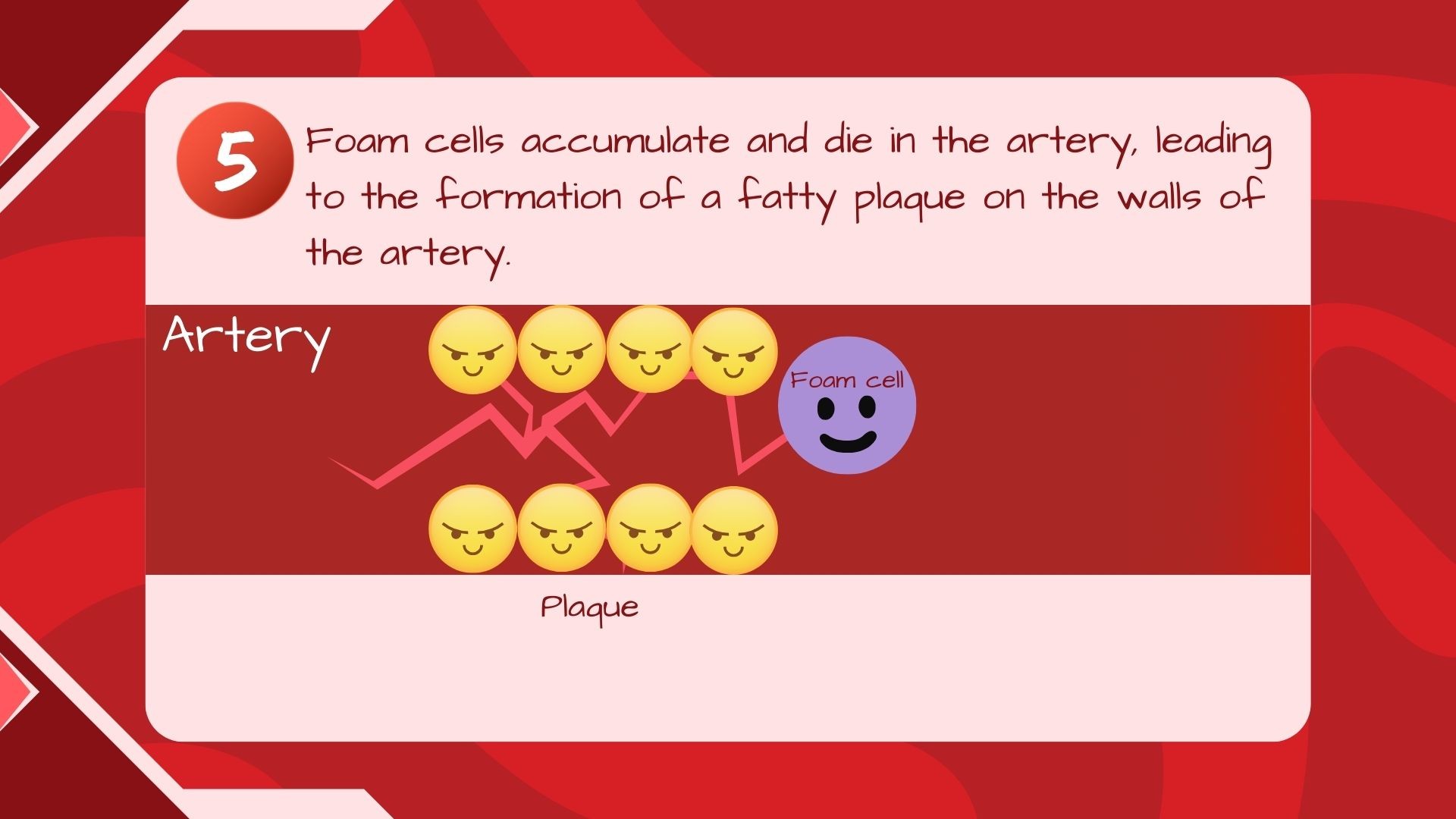
Walk through the slides overview to explain how it works
plaque narrows artery → less blood to heart → chest pain → possible heart attack.
Activity
Model
Red blood cells = red beads
Artery wall = clear tubing
Plaque = play dough
Fibrous cap = pom pom / string
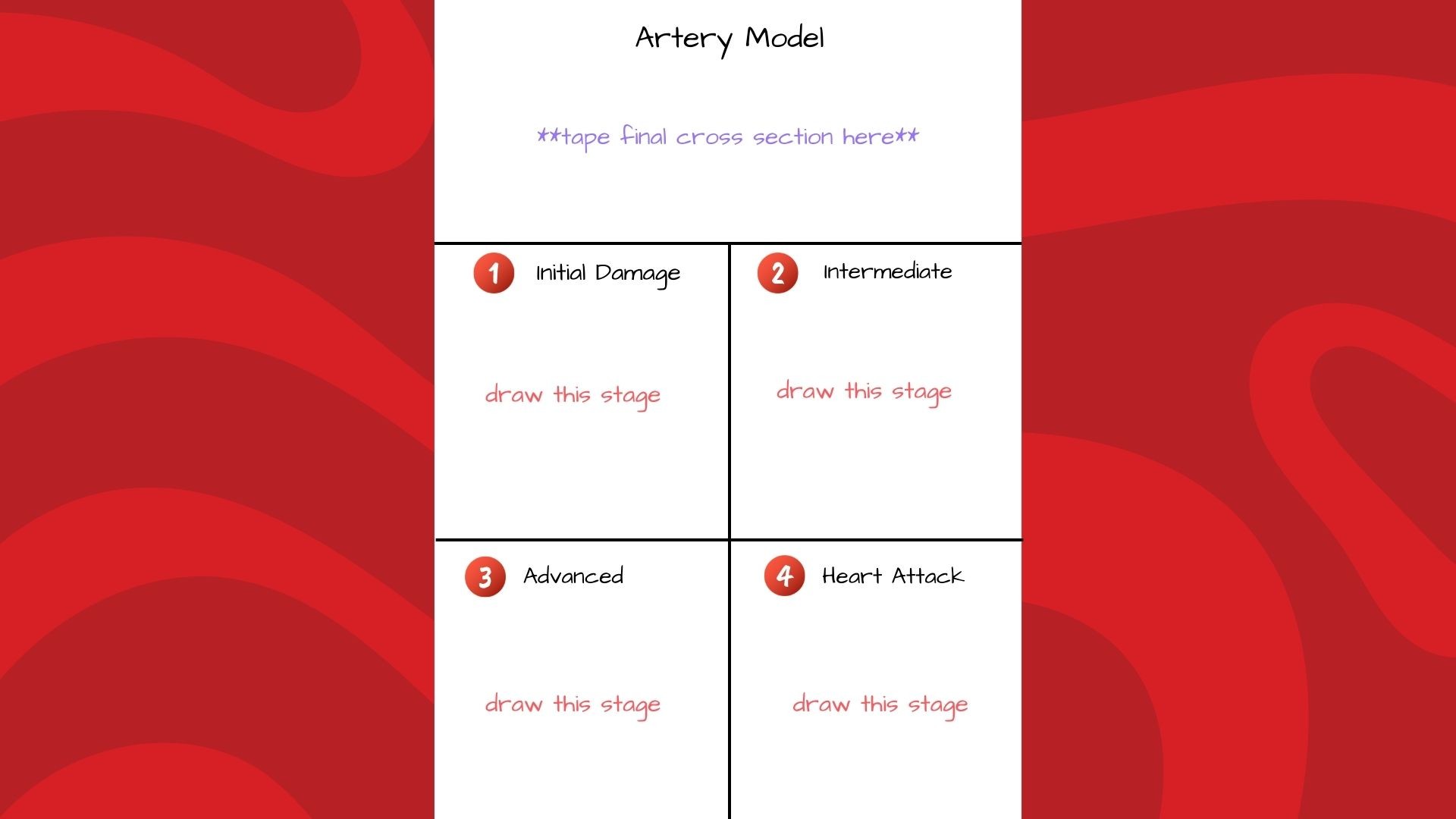
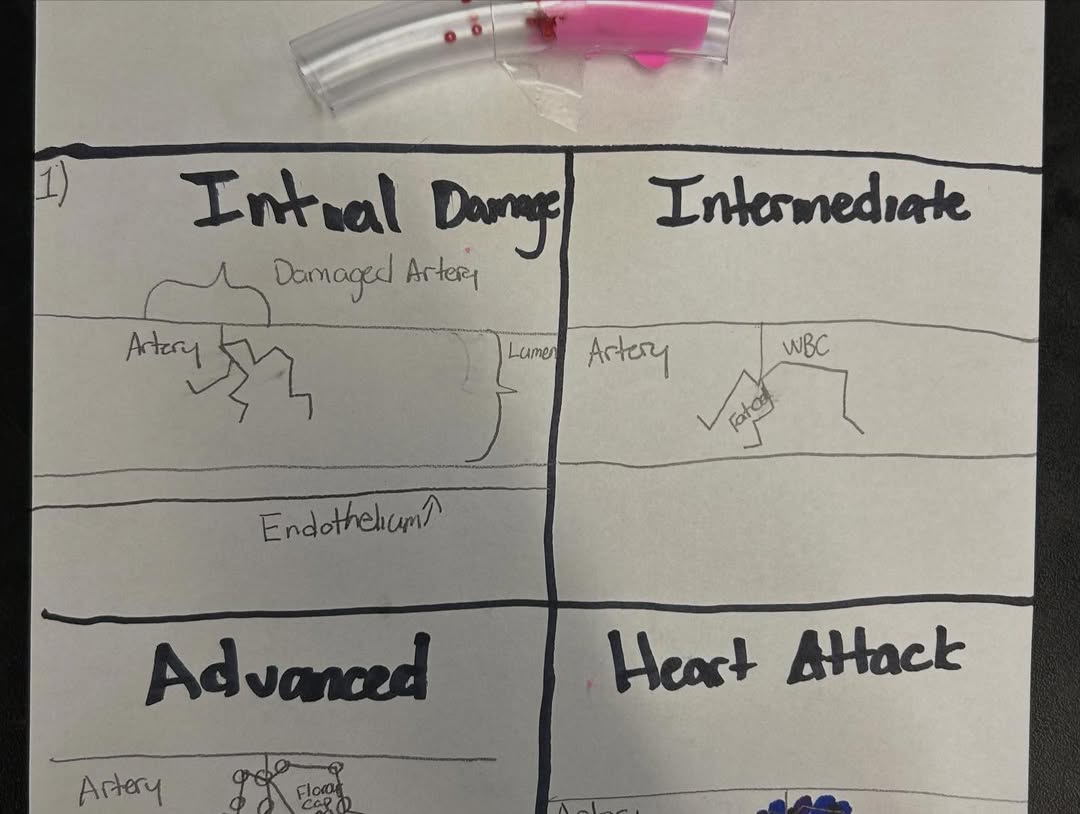
Start with a construction paper so they can draw out each model as plaque builds up, labeling things like
Artery wall
Endothelium
Lumen
Smooth muscle
LDL cholesterol
Foam cells
WBC
RBC
They can build a model, and in between each stage, we have them draw the updated model on their paper and label the components
Step 1: Initial damage
The endothelium (thin inner lining of arteries) becomes damaged
This can be caused by high LDL, smoking, high blood pressure, stress, or high blood sugar
A damaged endothelium becomes “leaky,” allowing LDL cholesterol to slip into the artery wall
This sets the stage for plaque
Presentation
Please use this link to view the full slides presentation for this workshop. A sample of the presentation is provided below.