WORKSHOP SCHOOL

Overview

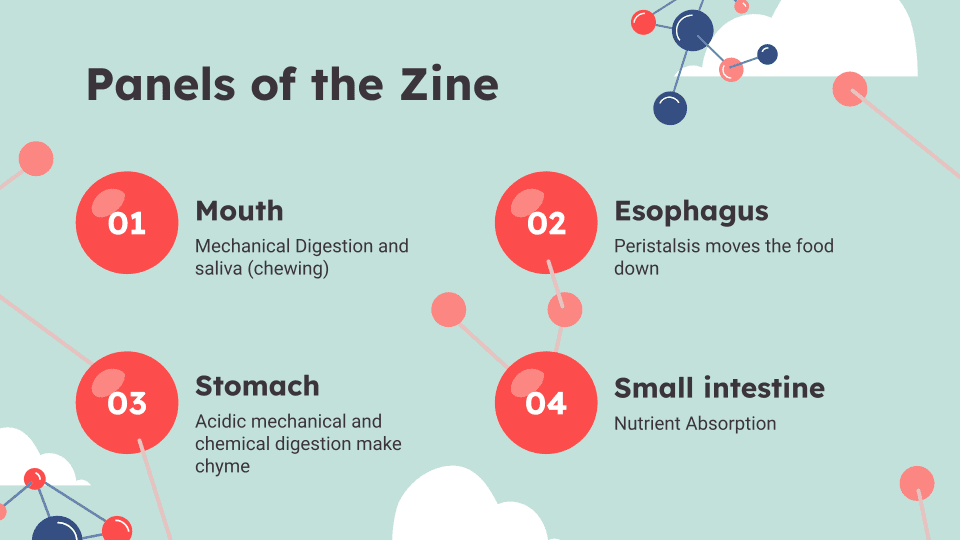
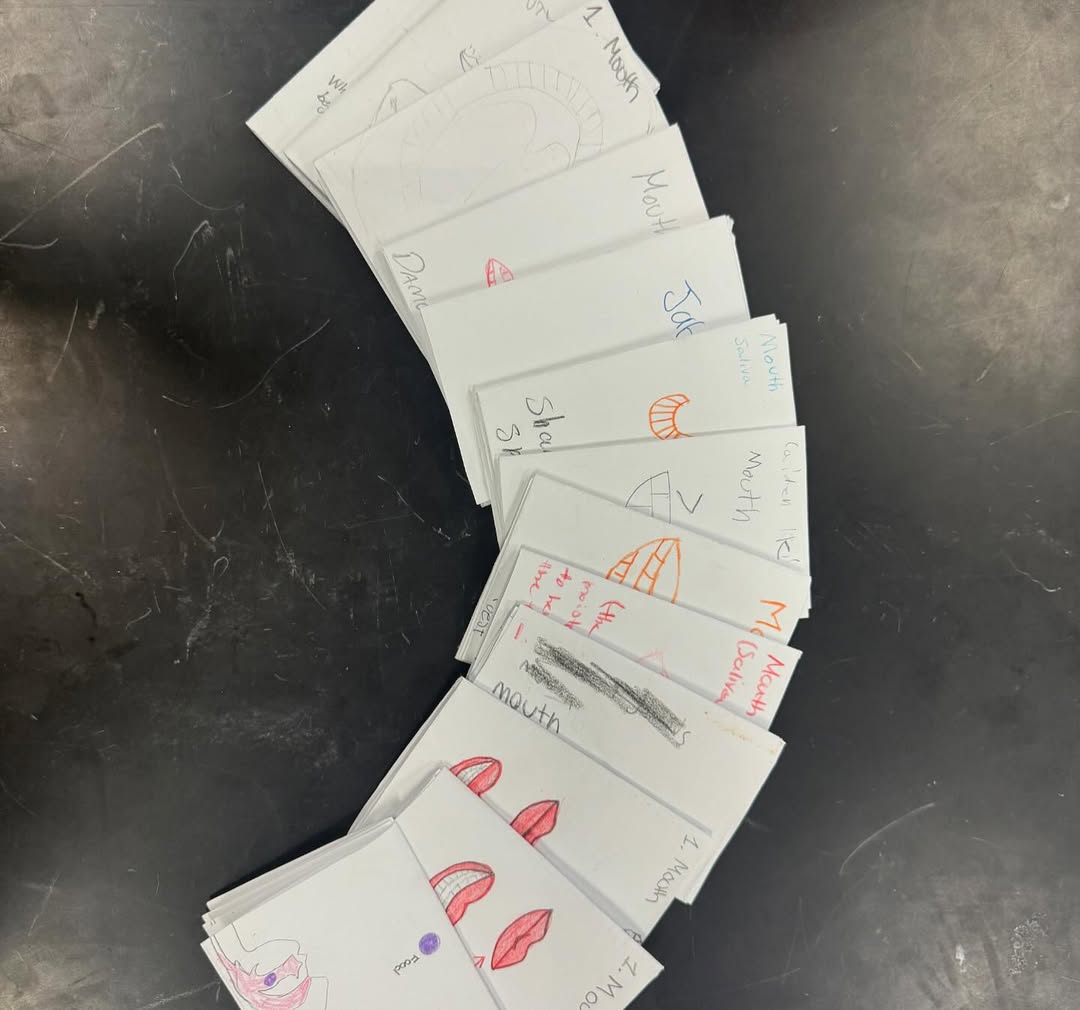
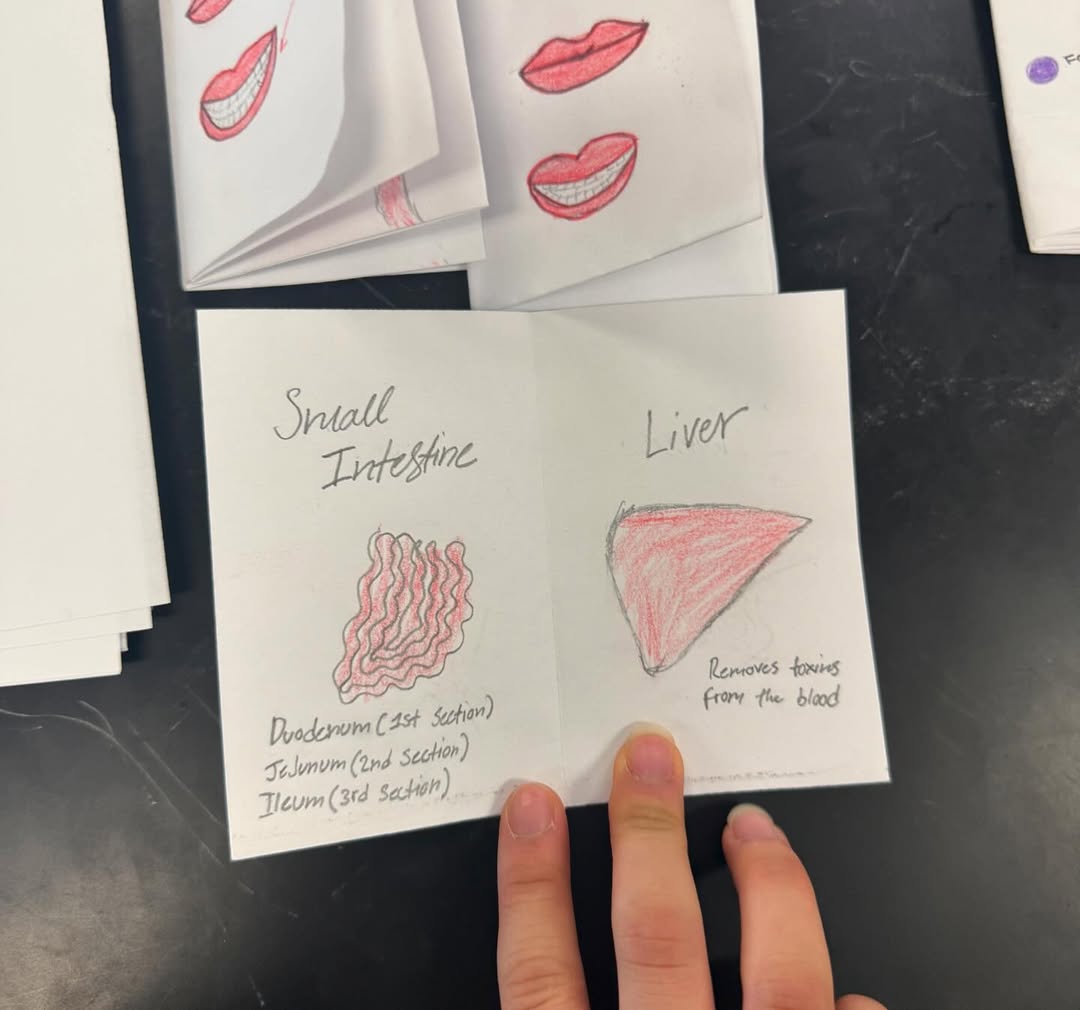
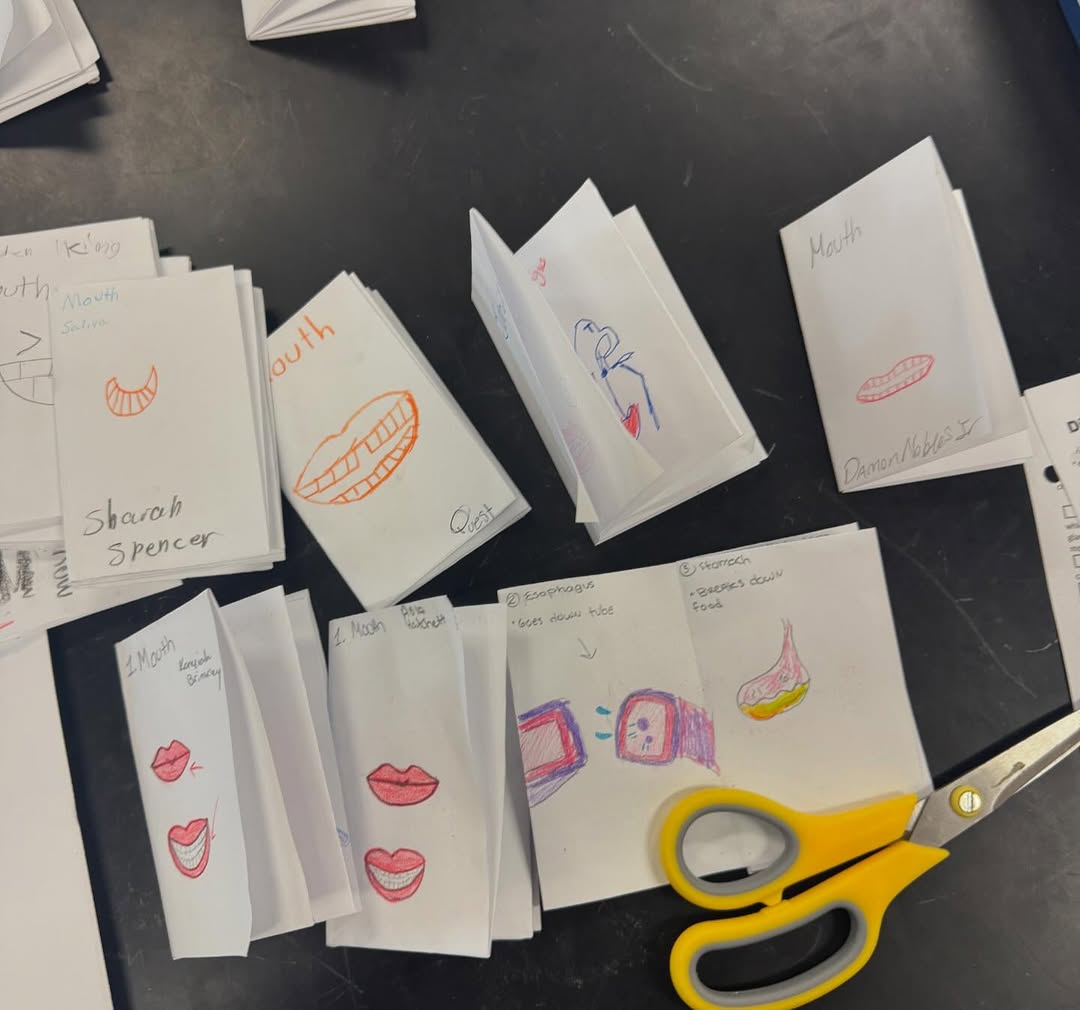
In this workshop, students followed a bite of food through the digestive system by making a mini-zine that combined science, comic storytelling, and observational art.

Through short, focused activities, students learned how the body breaks down food, where nutrients go, and how food structure changes based on processing — all while creating their own folded paper booklet to take home.

Objectives

  • Identify major steps and organs involved in digestion.

  • Understand how food is broken down and absorbed.

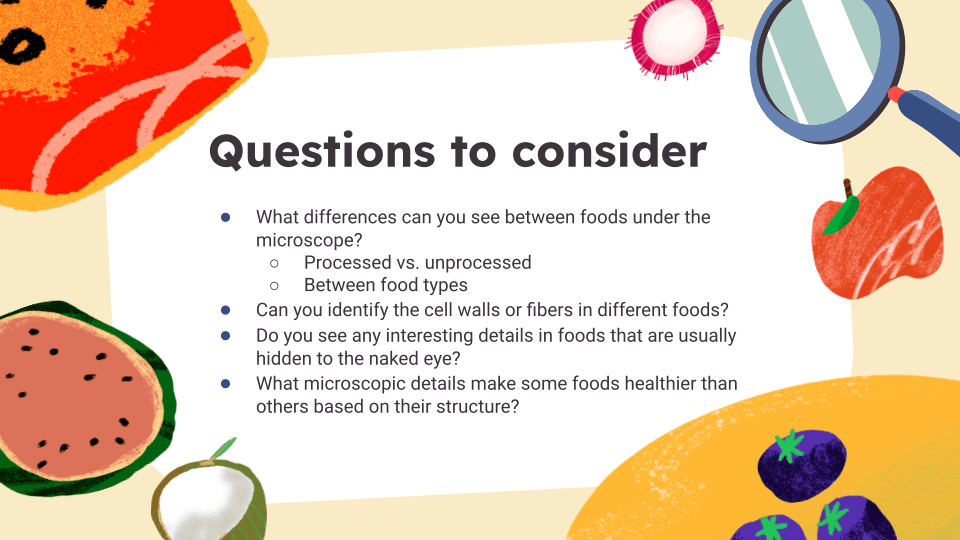
  • Recognize the structural difference between processed and whole foods.

Materials

  • Individual

    • One sheet of plain paper per student (for zine)

    • Pens, markers, colored pencils

    • Zine template (below)

  • For class

    • Prepared microscope or magnified images of foods (optional: actual hand lenses or low-power scopes)

    • Sample food (optional):

      • Whole wheat vs. white bread

      • Fresh vs. canned fruit

      • Fresh vs. processed meat or vegetables

    • Printed reference diagram of the digestive system

Workshop Outline

Please use this link to view the full outline for this workshop. A sample of the outline is provided below.

Fundamentals of Nutrition

Nutrition: The process by which organisms take in and utilize food substances.

  • Key Nutrients: Proteins, carbohydrates, fats, vitamins, minerals, and water—each plays a specific role in bodily functions.

Macronutrients and Their Functions

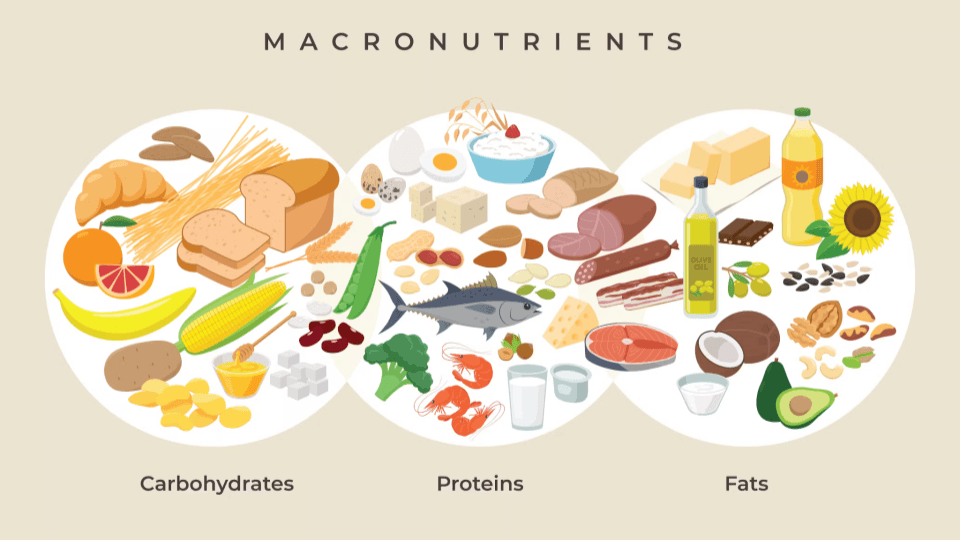
  • Carbohydrates: The body's main source of energy. Discuss the difference between simple and complex carbohydrates and their impacts on health.

  • Proteins: Essential for the growth, repair, and maintenance of body tissues. Highlight the importance of amino acids.

  • Fats: Vital for energy, supporting cell growth, protecting organs, and keeping the body warm. Emphasize the differences between saturated, unsaturated, and trans fats.

Micronutrients: Vitamins and Minerals Importance of vitamins and minerals in maintaining health and preventing disease:

  • Vitamins: Organic compounds required in small quantities to sustain life. Discuss fat-soluble (A, D, E, K) versus water-soluble (B-complex, C) vitamins.

  • Minerals: Inorganic elements that play roles in various body functions, such as calcium for bone health and iron for blood production.

Workshop Outline

Please use this link to view the full outline for this workshop. A sample of the outline is provided below.

Fundamentals of Nutrition

Nutrition: The process by which organisms take in and utilize food substances.

  • Key Nutrients: Proteins, carbohydrates, fats, vitamins, minerals, and water—each plays a specific role in bodily functions.

Macronutrients and Their Functions

  • Carbohydrates: The body's main source of energy. Discuss the difference between simple and complex carbohydrates and their impacts on health.

  • Proteins: Essential for the growth, repair, and maintenance of body tissues. Highlight the importance of amino acids.

  • Fats: Vital for energy, supporting cell growth, protecting organs, and keeping the body warm. Emphasize the differences between saturated, unsaturated, and trans fats.

Micronutrients: Vitamins and Minerals Importance of vitamins and minerals in maintaining health and preventing disease:

  • Vitamins: Organic compounds required in small quantities to sustain life. Discuss fat-soluble (A, D, E, K) versus water-soluble (B-complex, C) vitamins.

  • Minerals: Inorganic elements that play roles in various body functions, such as calcium for bone health and iron for blood production.

Presentation

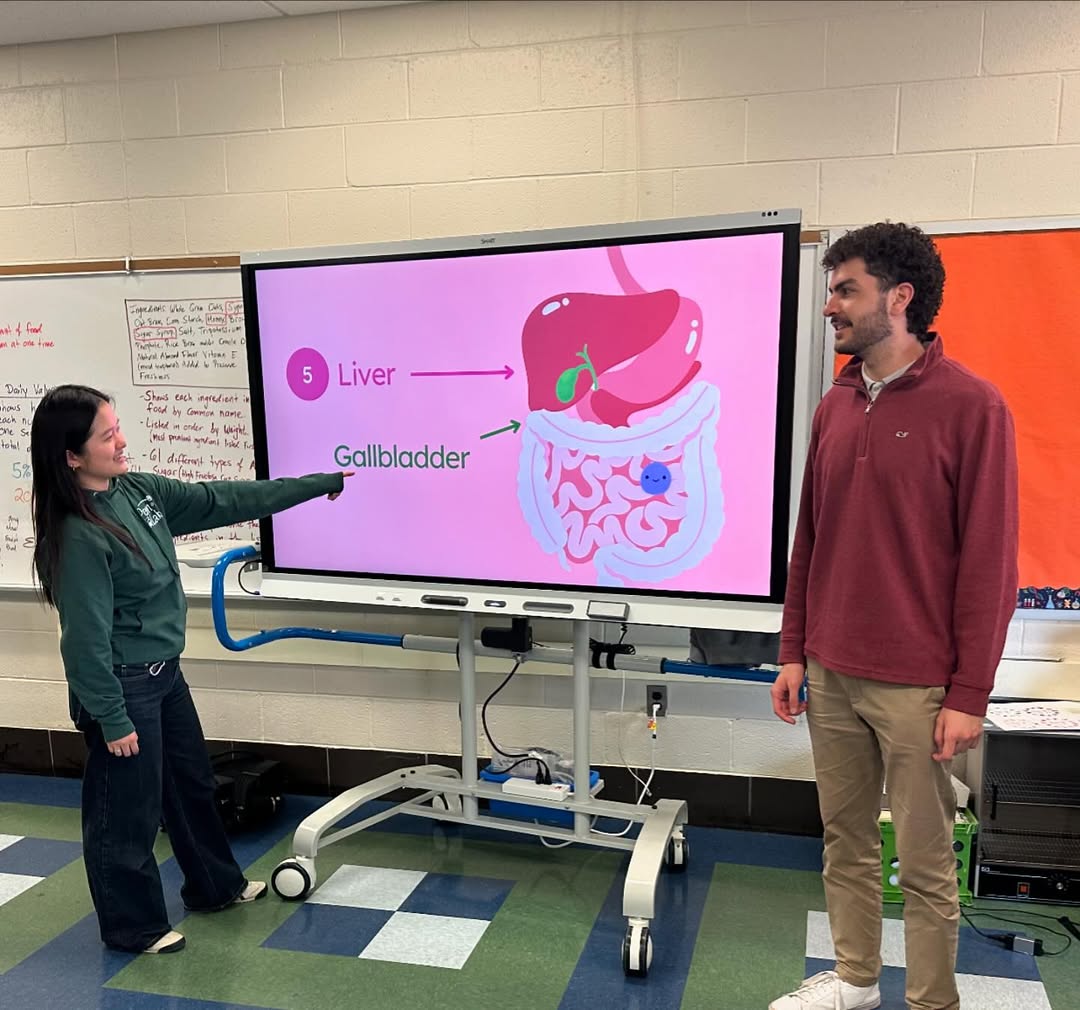
Please use this link to view the full slides presentation for this workshop. A sample of the presentation is provided below.
BIOART LAB © 2025

Create a free website with Framer, the website builder loved by startups, designers and agencies.