WORKSHOP SCHOOL
Overview
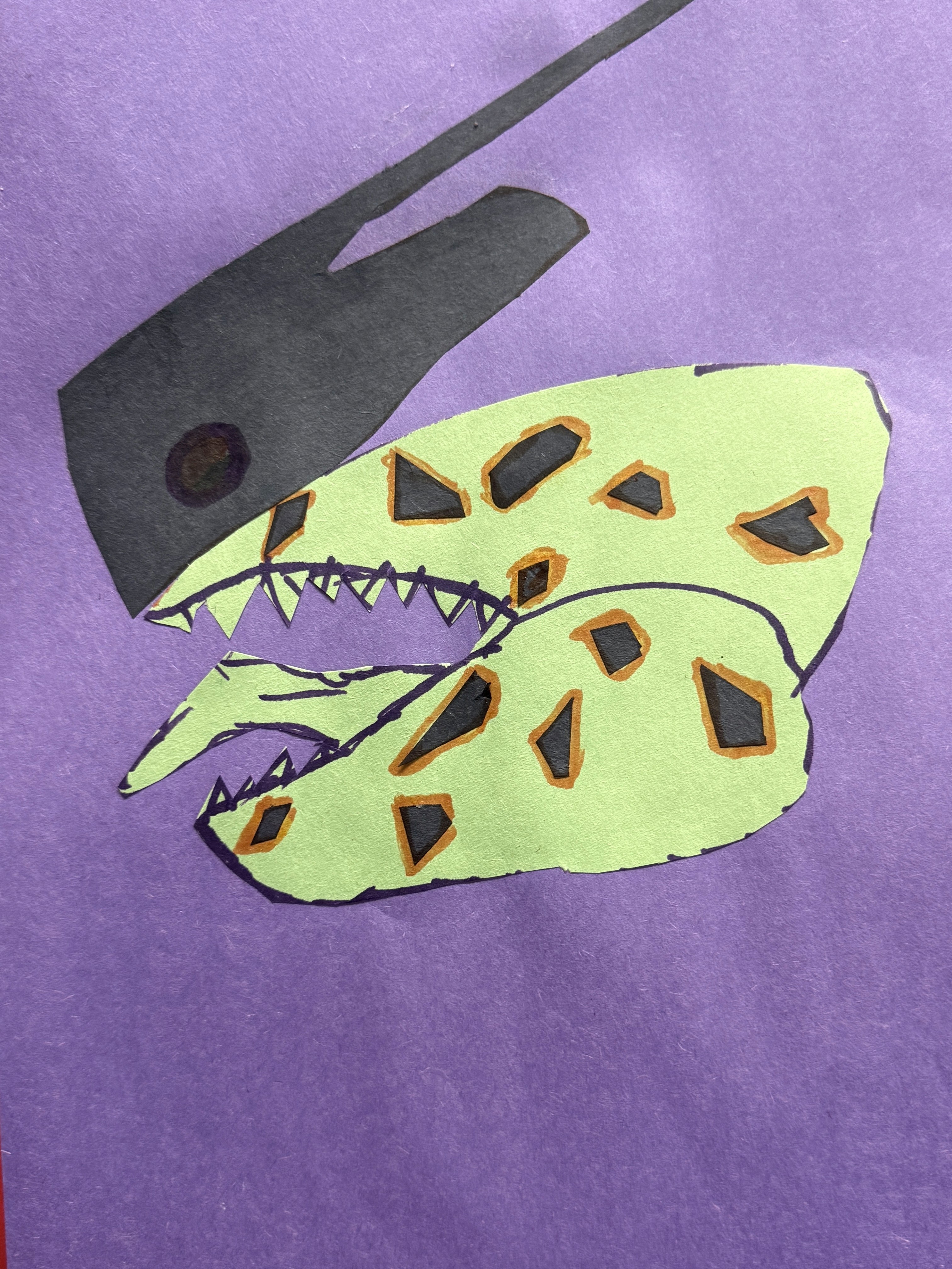
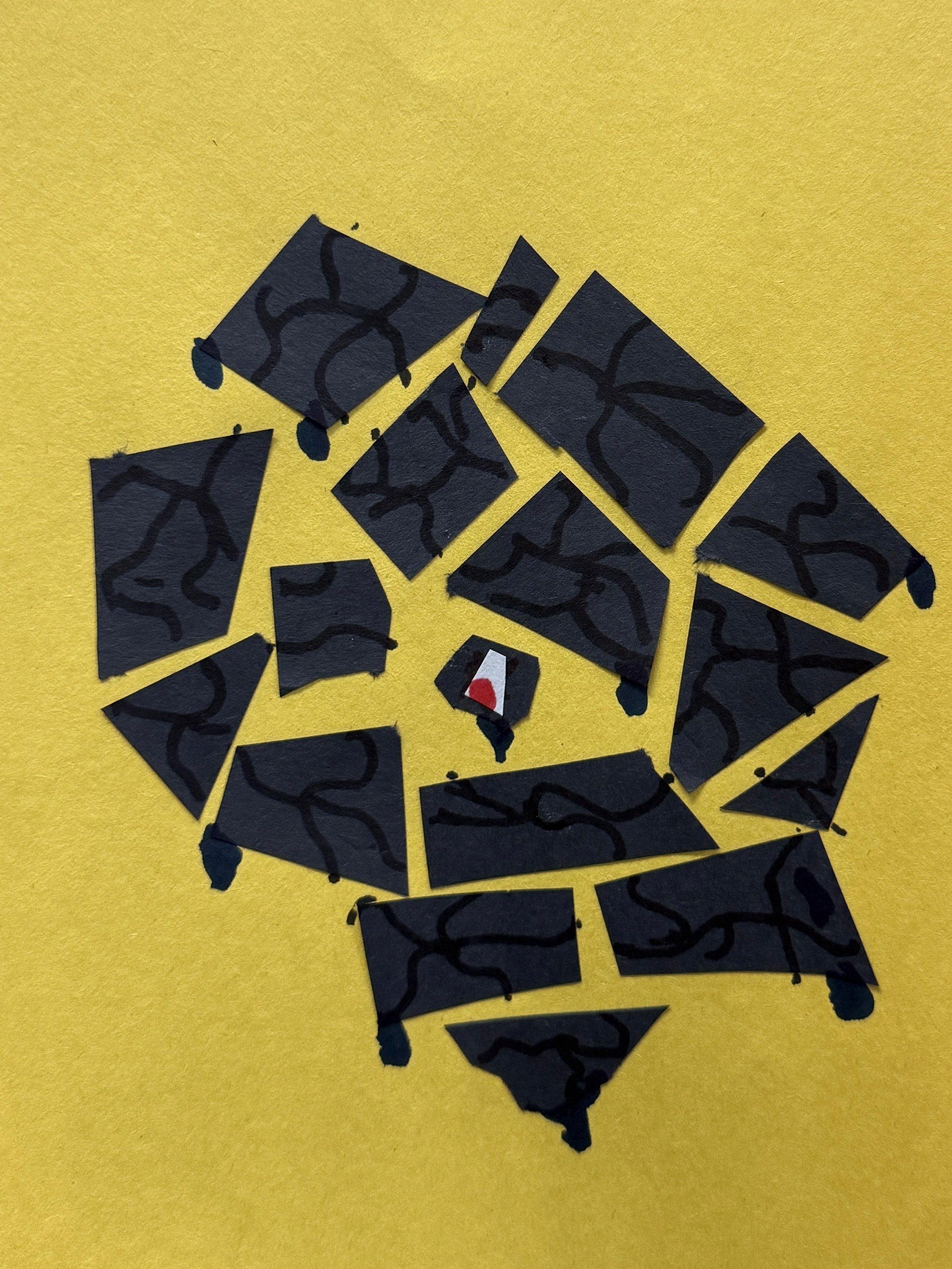
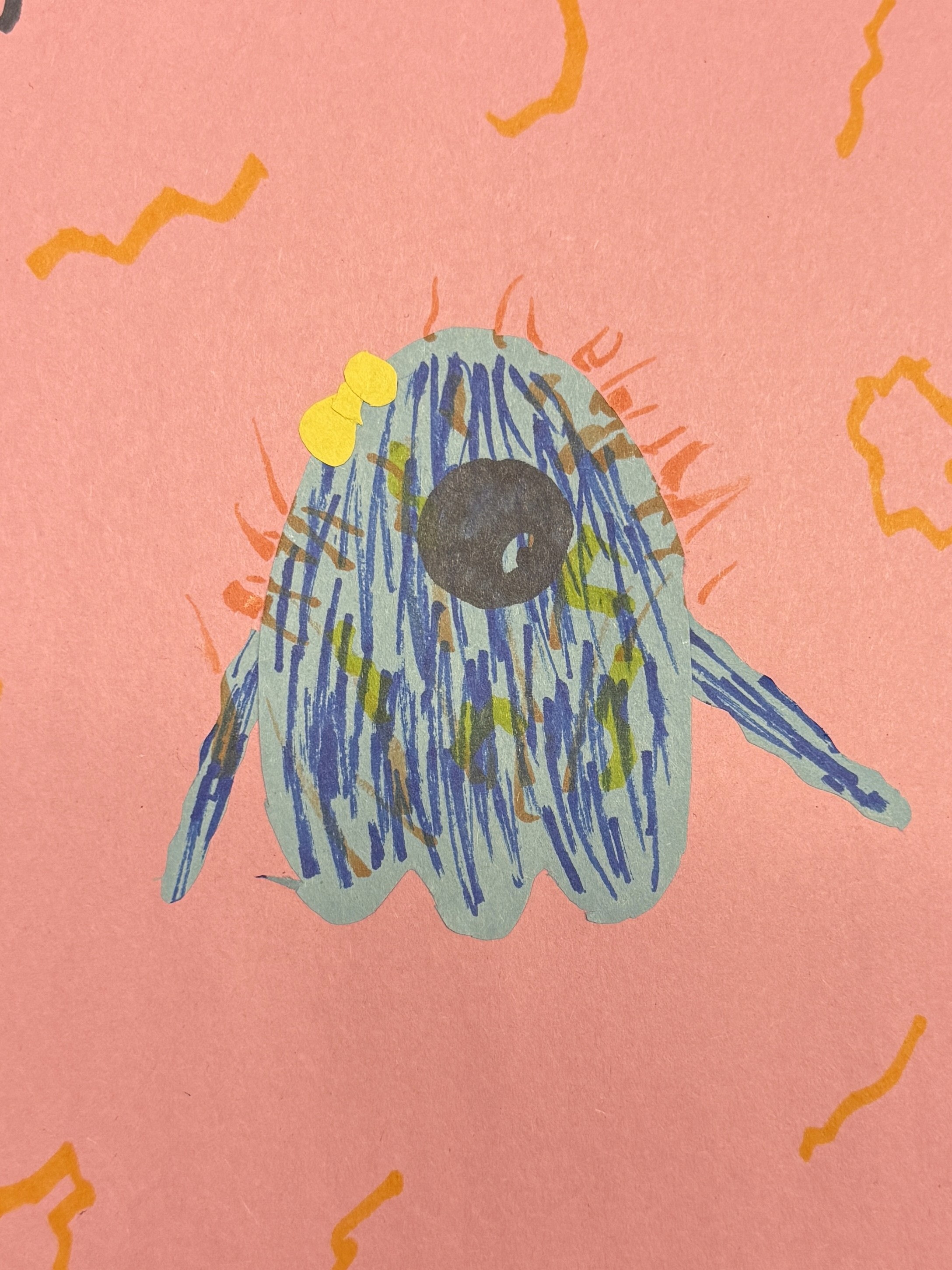
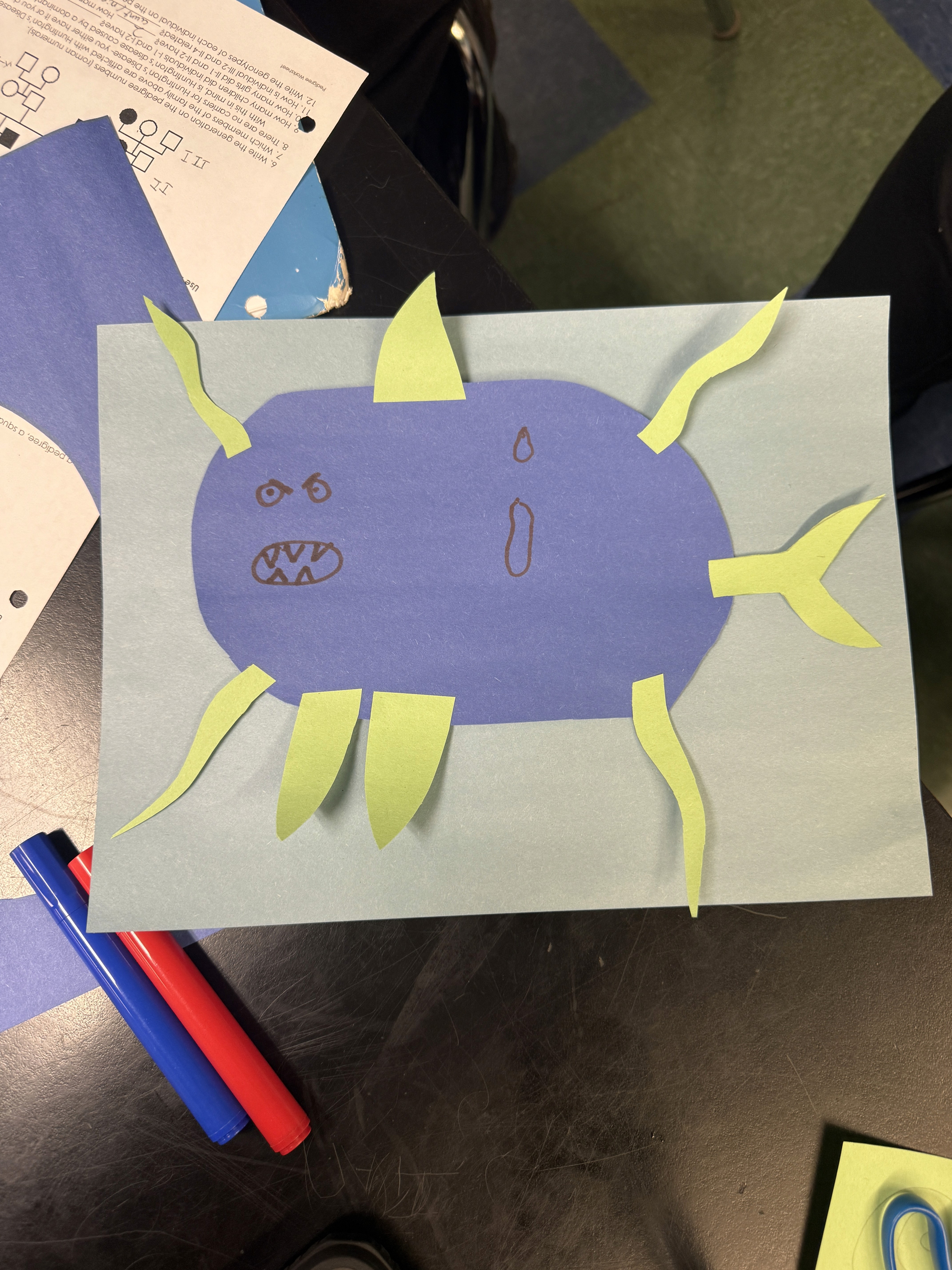
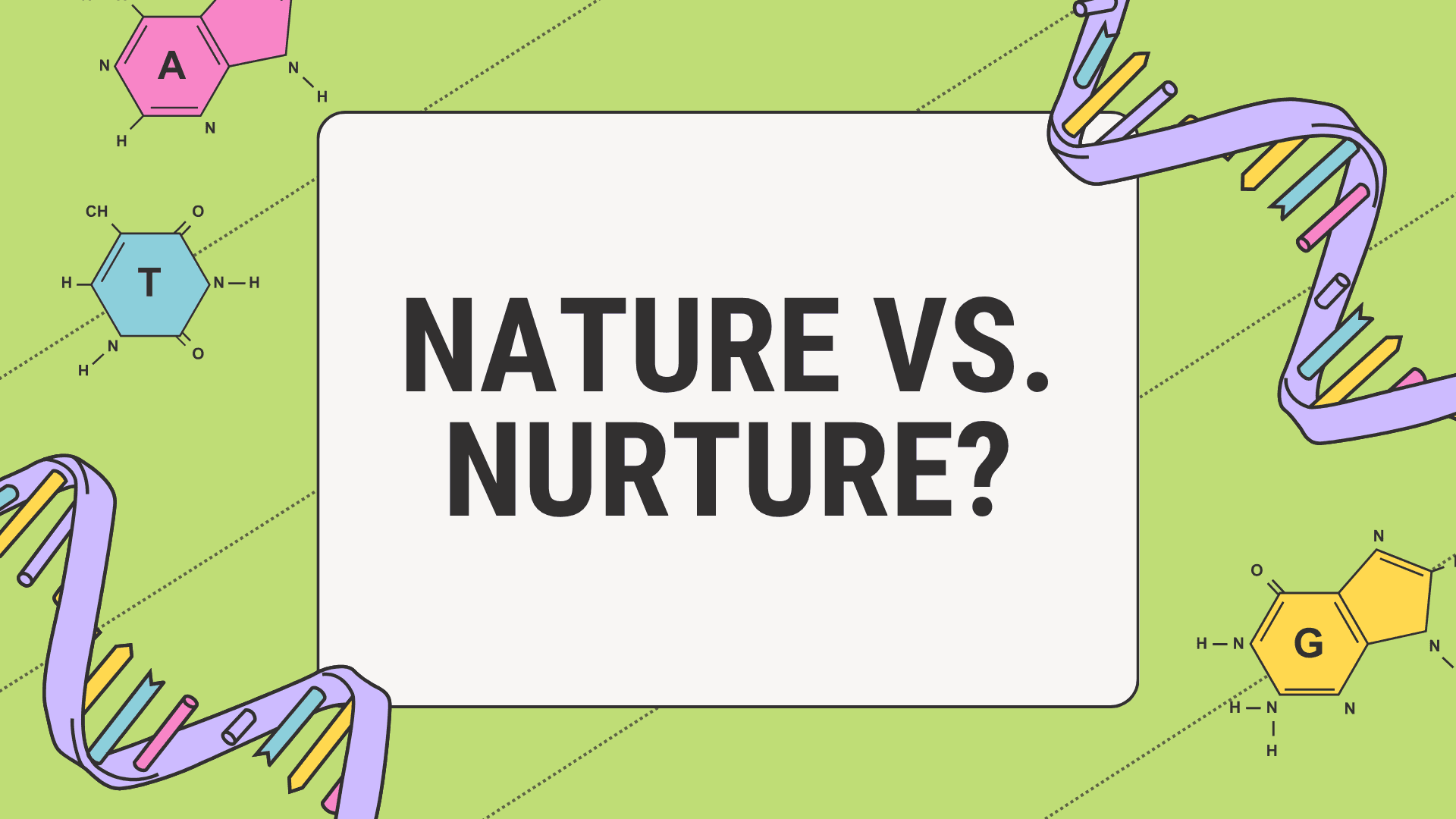
Students created a “mutant” by rolling dice to determine genetic traits and applying environmental changes across different life stages. They observed how factors like diet, stress, temperature, and radiation interacted with genetics to influence development and adaptation. This activity helped illustrate how both genes and environment shape traits and contribute to variation in real-world organisms.
Objectives
Introduction to genetics
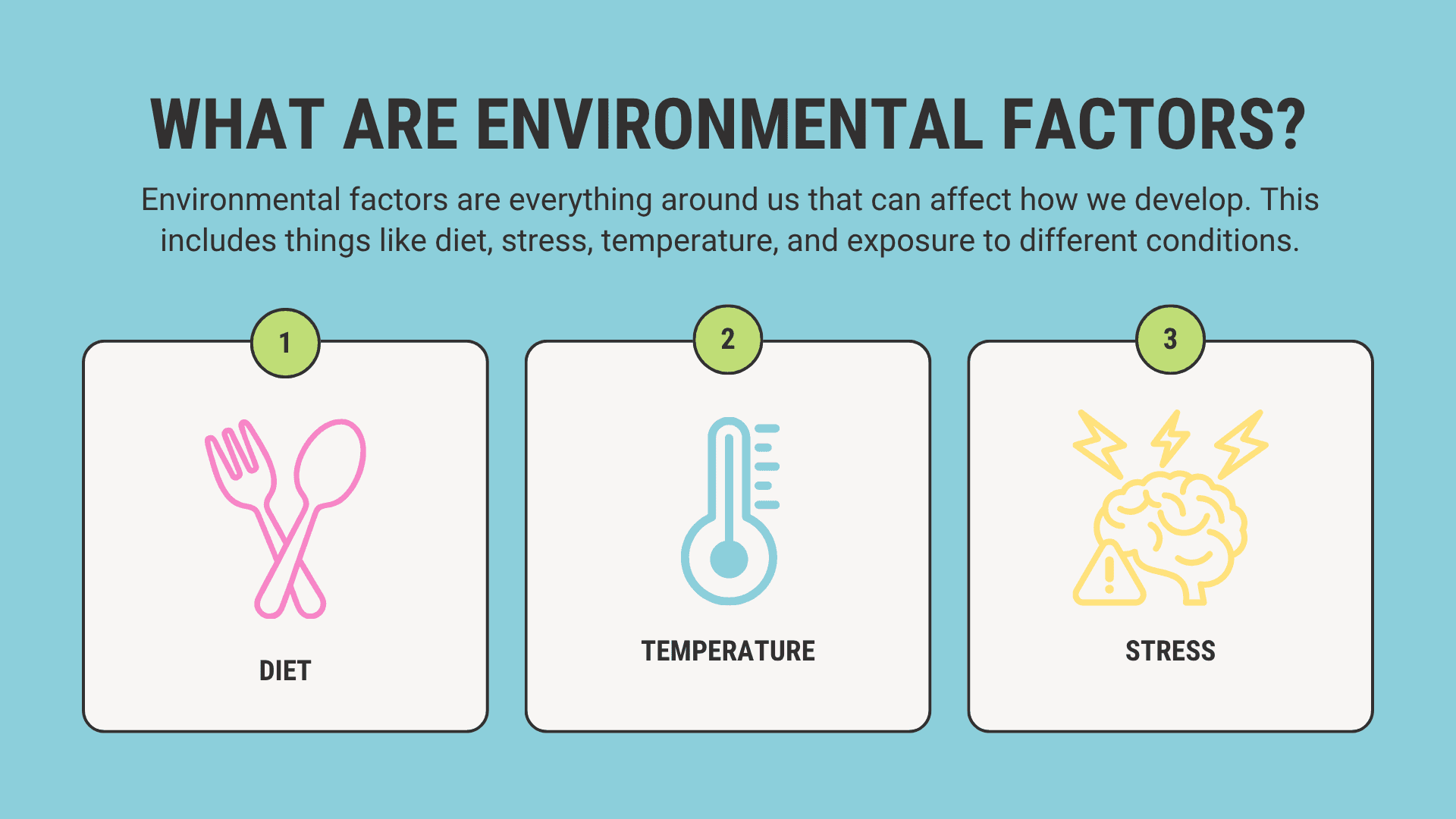
Introduction to environmental factors
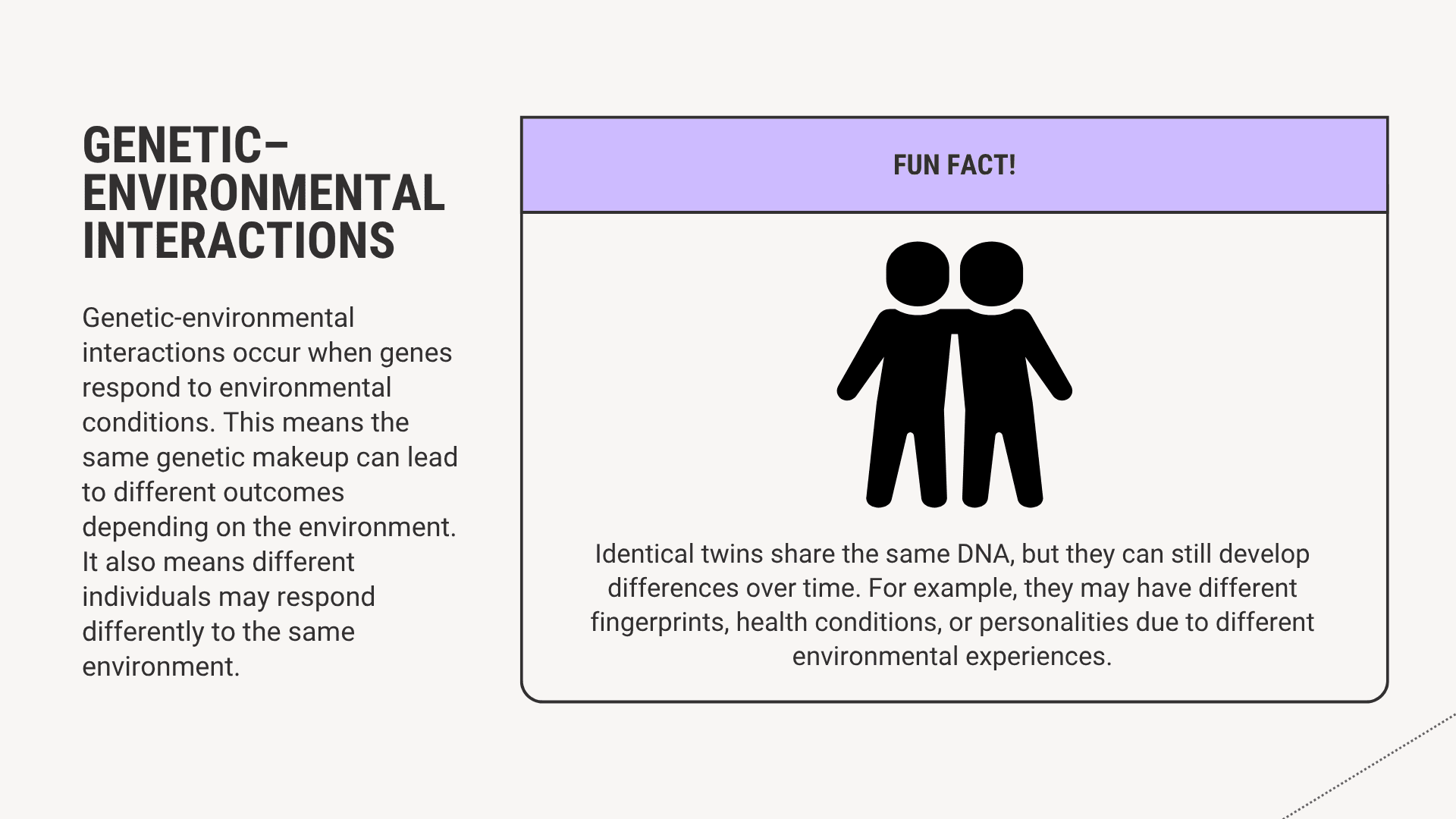
Genetic-environmental factor interactions definition
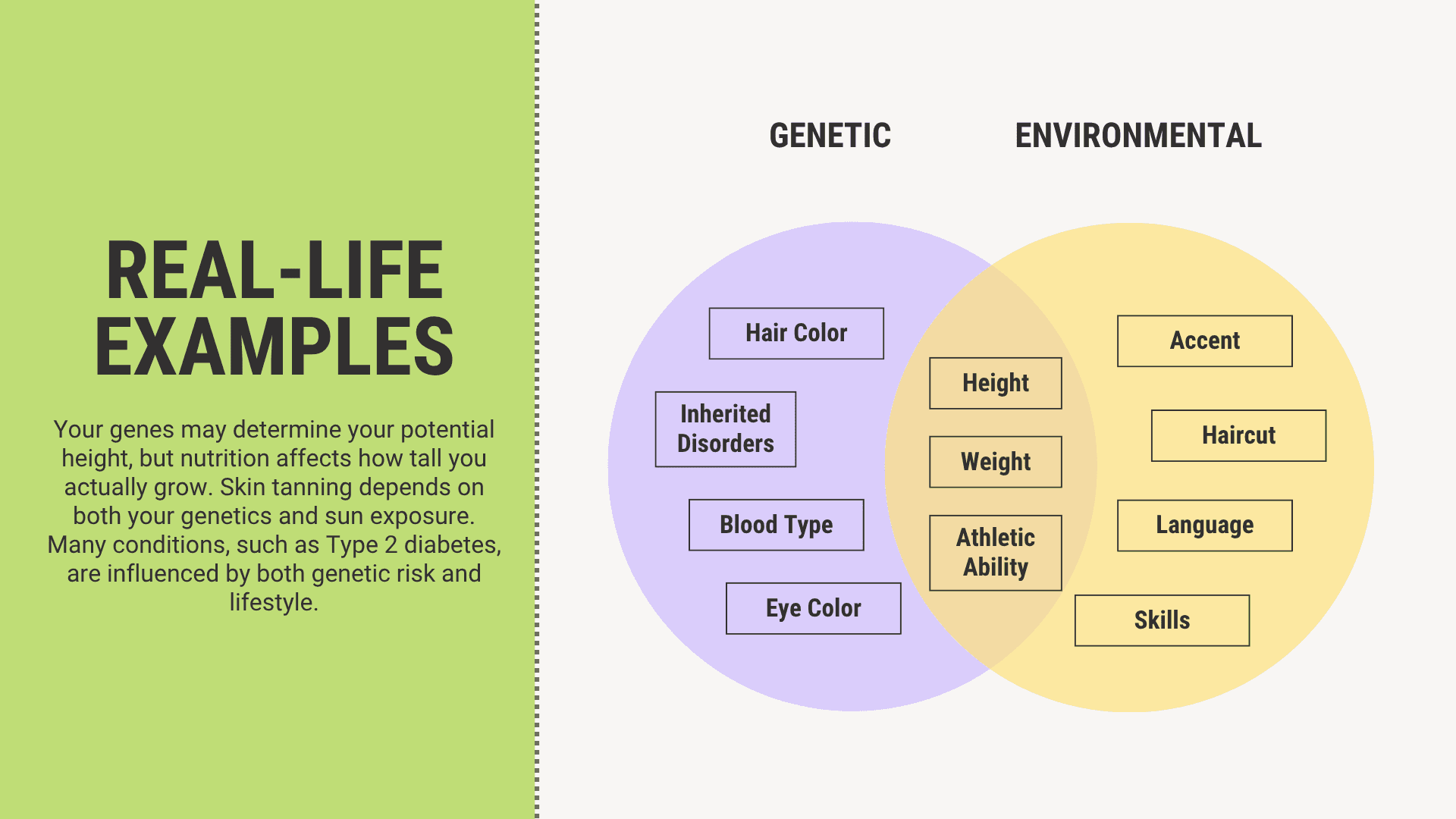
Genetic-environmental factor interactions examples
Workshop explanation + example
Materials
Markers
Colored construction paper
Colored pencils
Glue sticks
Workshop Outline
Please use this link to view the full outline for this workshop. A sample of the outline is provided below.
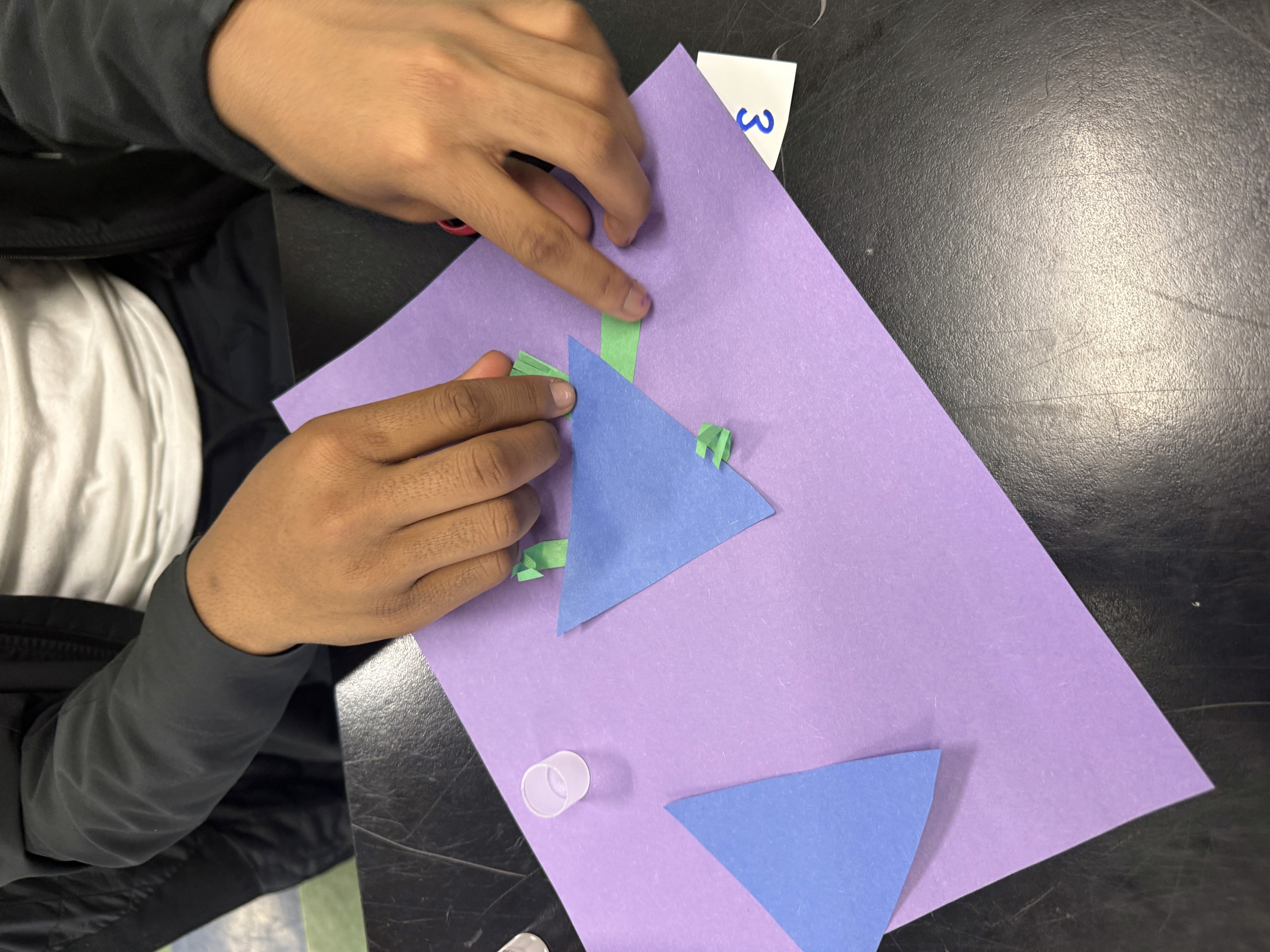
In this activity, students will build a “mutant.”
The dice roll represents genetics, the random chance of what traits you are born with. Give each student a piece of paper and have them roll a die for two body parts.
Genetic Deck
Roll for metabolism (gene A)
1, 3, 5: Sensitive: thin clay
2, 4, 6: Resilient: thick clay
Roll for skin (gene B)
1 or 2: scaly armor
3 or 4: fuzzy fur
5 or 6: slimy, thin skin
Environmental Deck
4 rounds of environmental pressures across a lifetime, drawn from deck
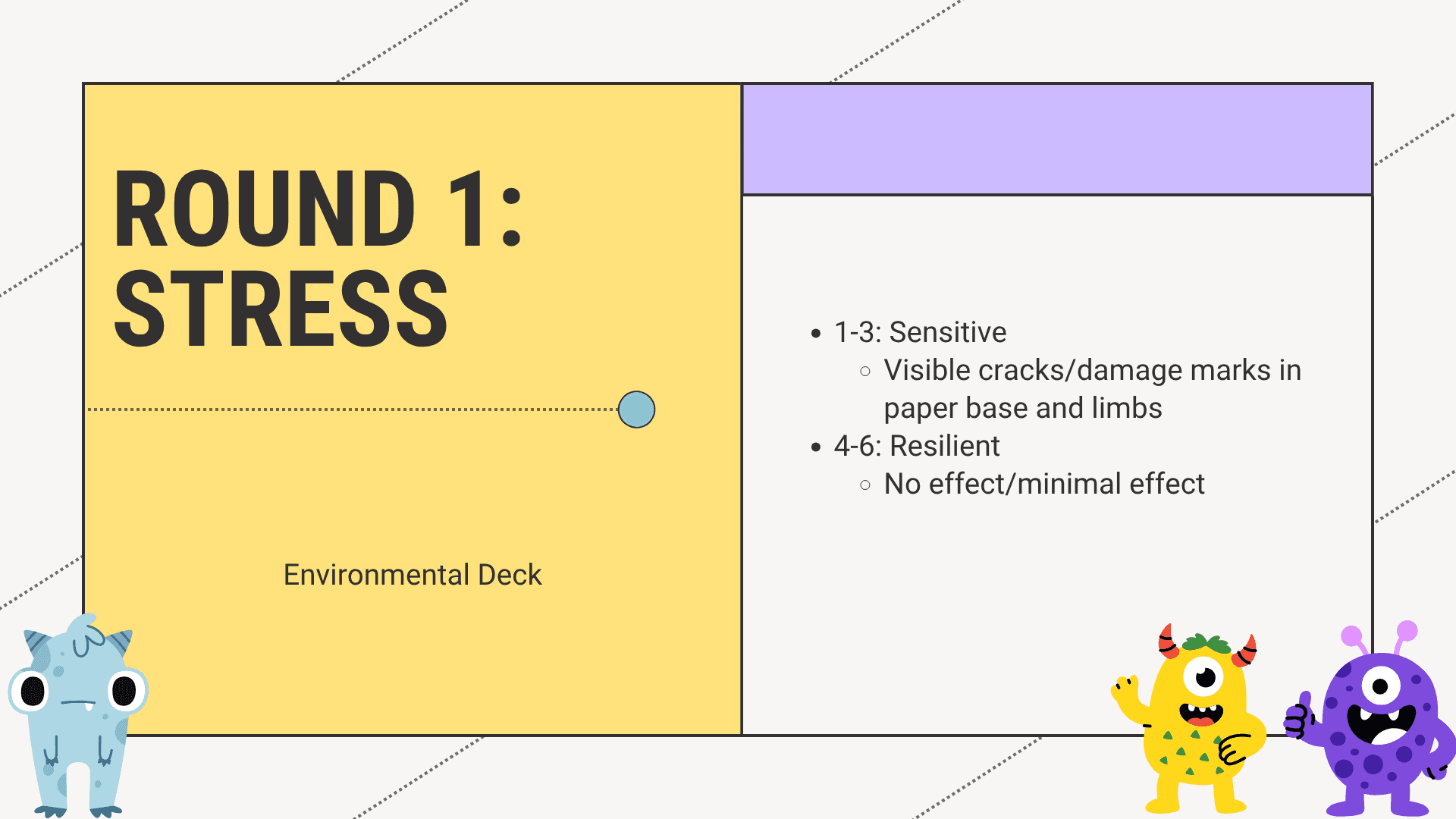
Round 1: Stress
1-3: Sensitive
Visible cracks/damage marks in paper base and limbs
4-6: Resilient
No effect/minimal effect
Round 2: Volcanic Eruption
Lived near volcano (heat adaptation), beads / plated armor
Fur - add RED spikes to body
Slime - unaffected
Scales - draw red burns
Presentation
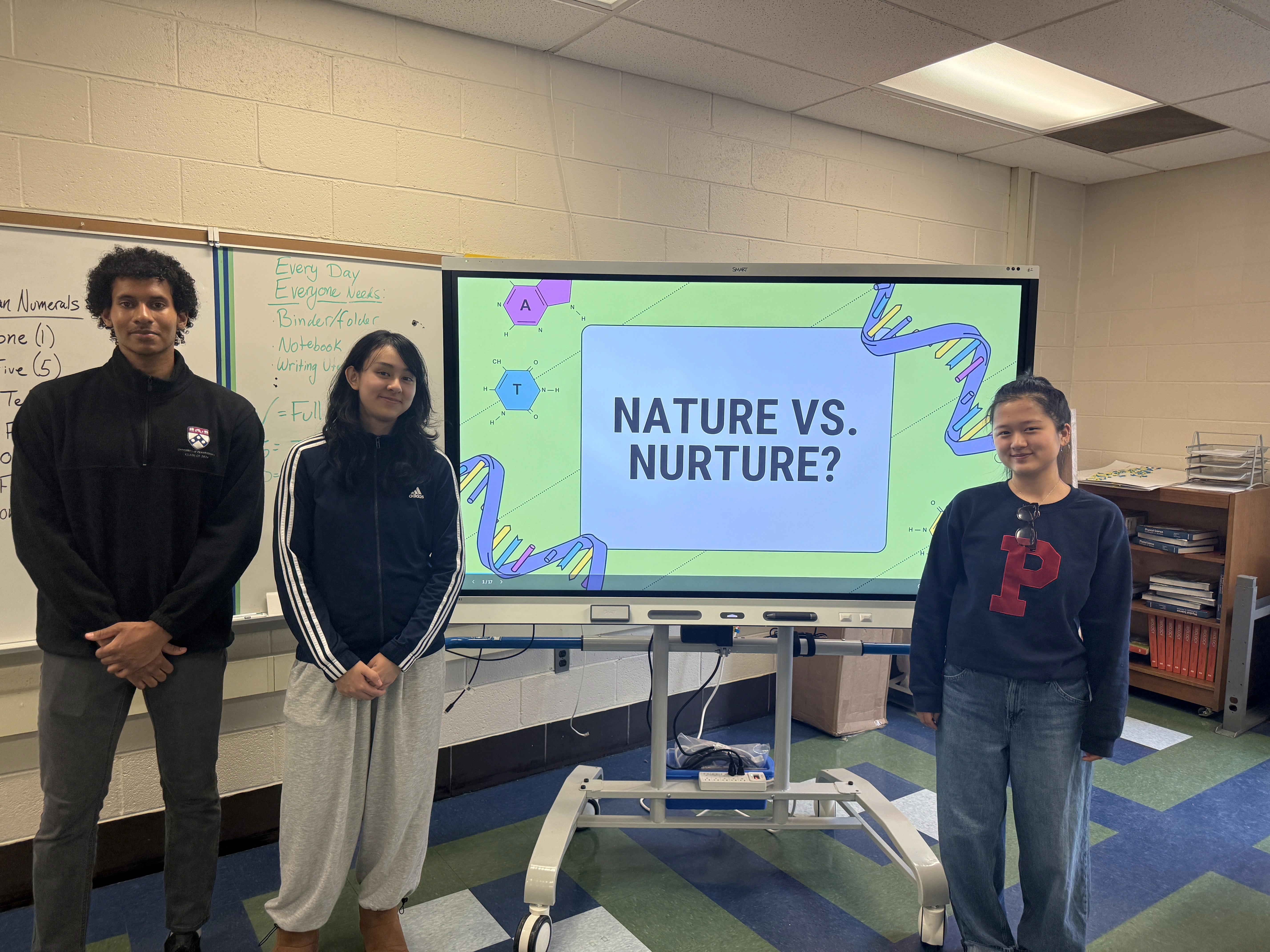
Please use this link to view the full slides presentation for this workshop. A sample of the presentation is provided below.