WORKSHOP SCHOOL
Overview
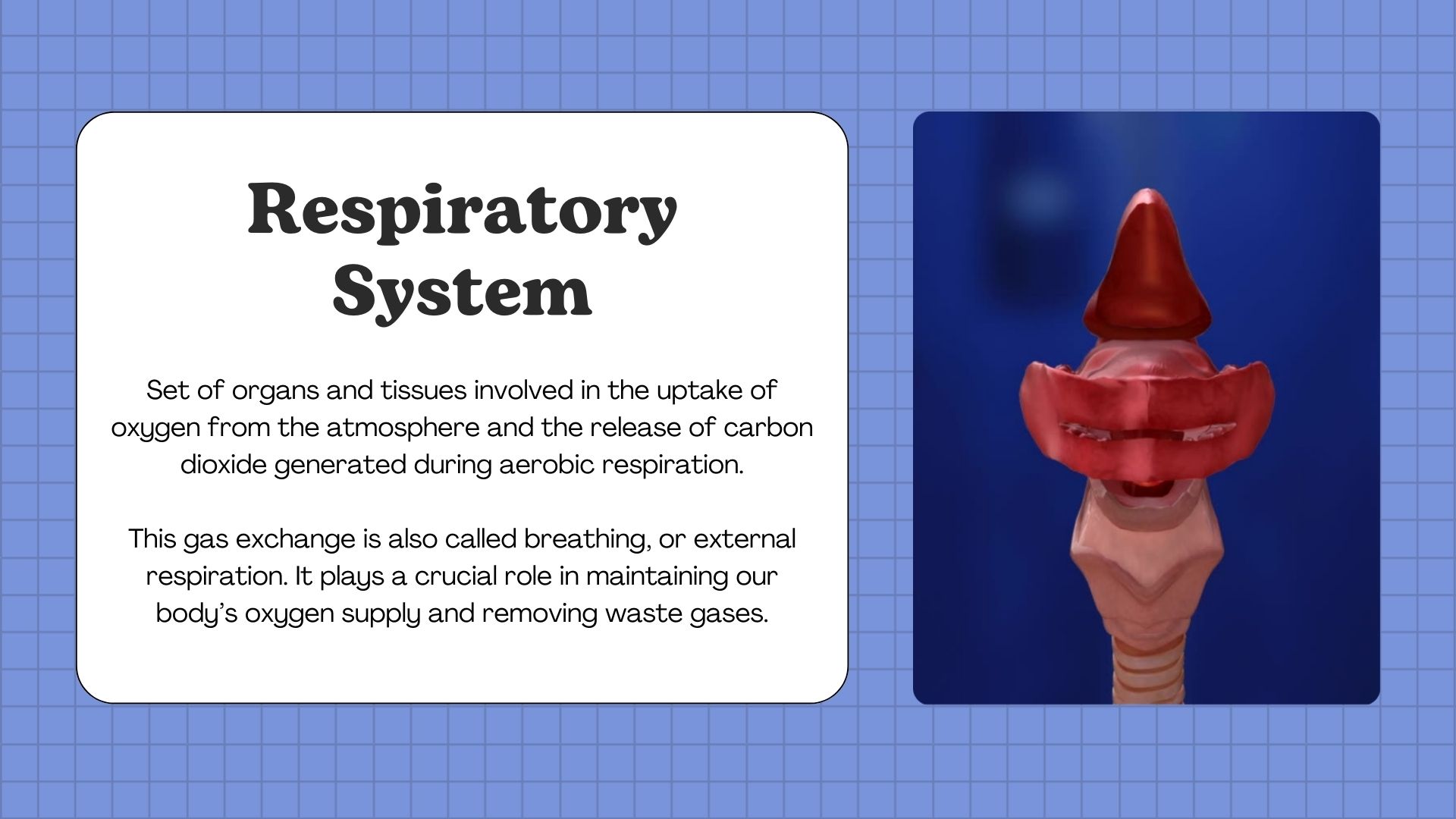
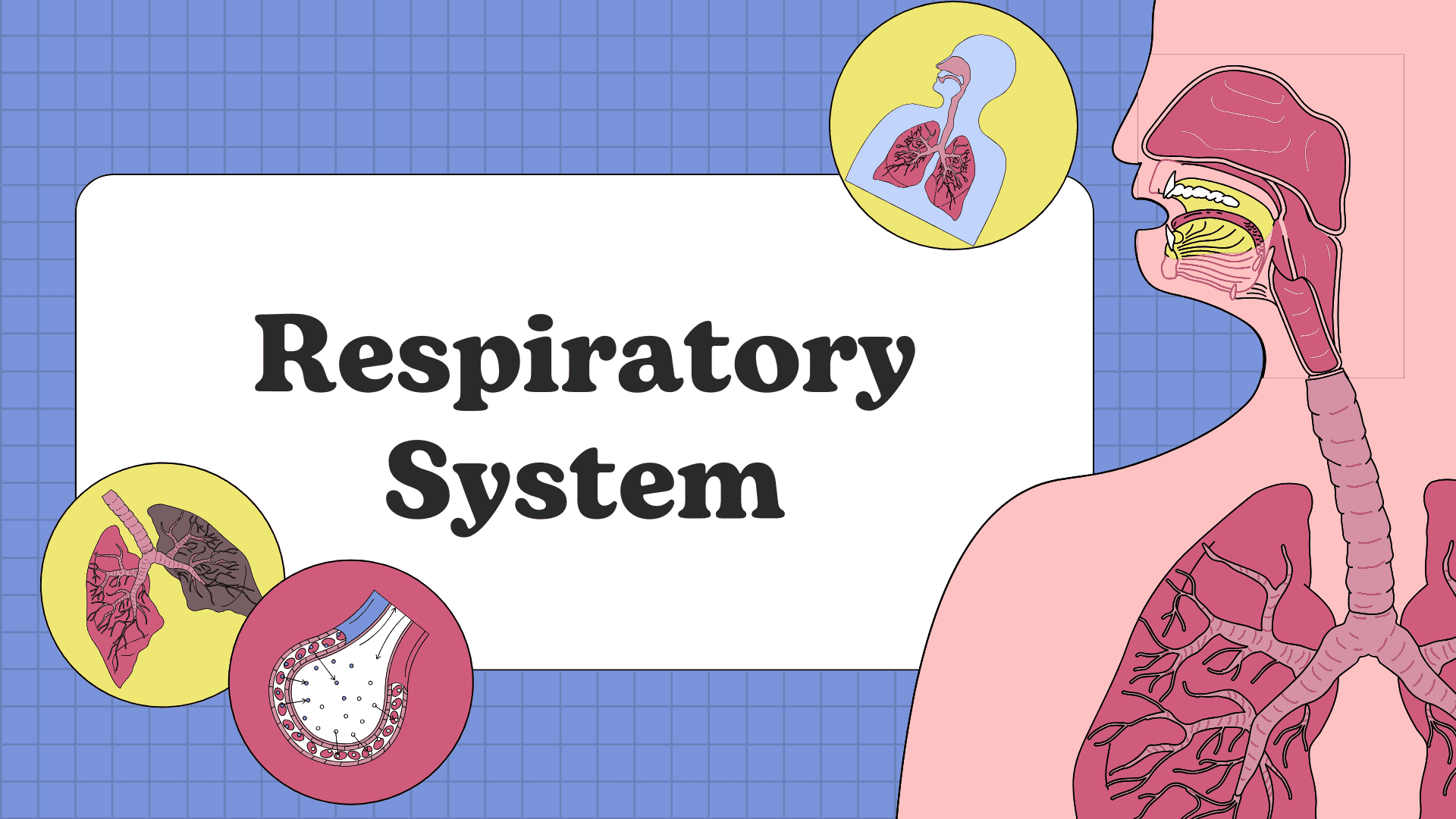
In this workshop, students explored how the respiratory system brings oxygen into the body and removes carbon dioxide. Through hands-on modeling and guided activities, they discovered how air travels from the nose to the lungs, how the diaphragm powers breathing, and how different factors can affect lung function. Students built and labeled their own balloon-lung model to take home.
Objectives
Identify main parts of the respiratory system and their roles.
Visualize and simulate the process of inhalation and exhalation.
Relate lung function to air pressure and diaphragm movement.
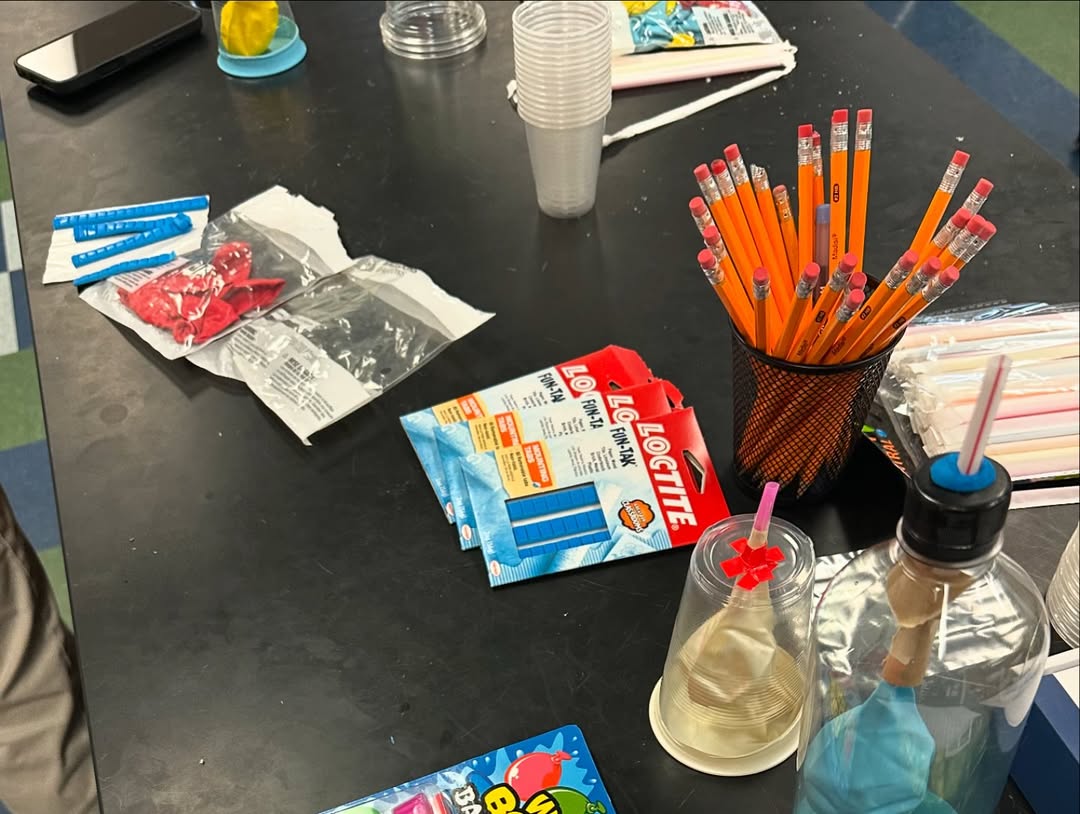
Materials
For each student:
1 empty plastic bottle
2 balloons
Scissors
Tape or rubber band
Markers (for labels)
Workshop Outline
Please use this link to view the full outline for this workshop. A sample of the outline is provided below.
Intro
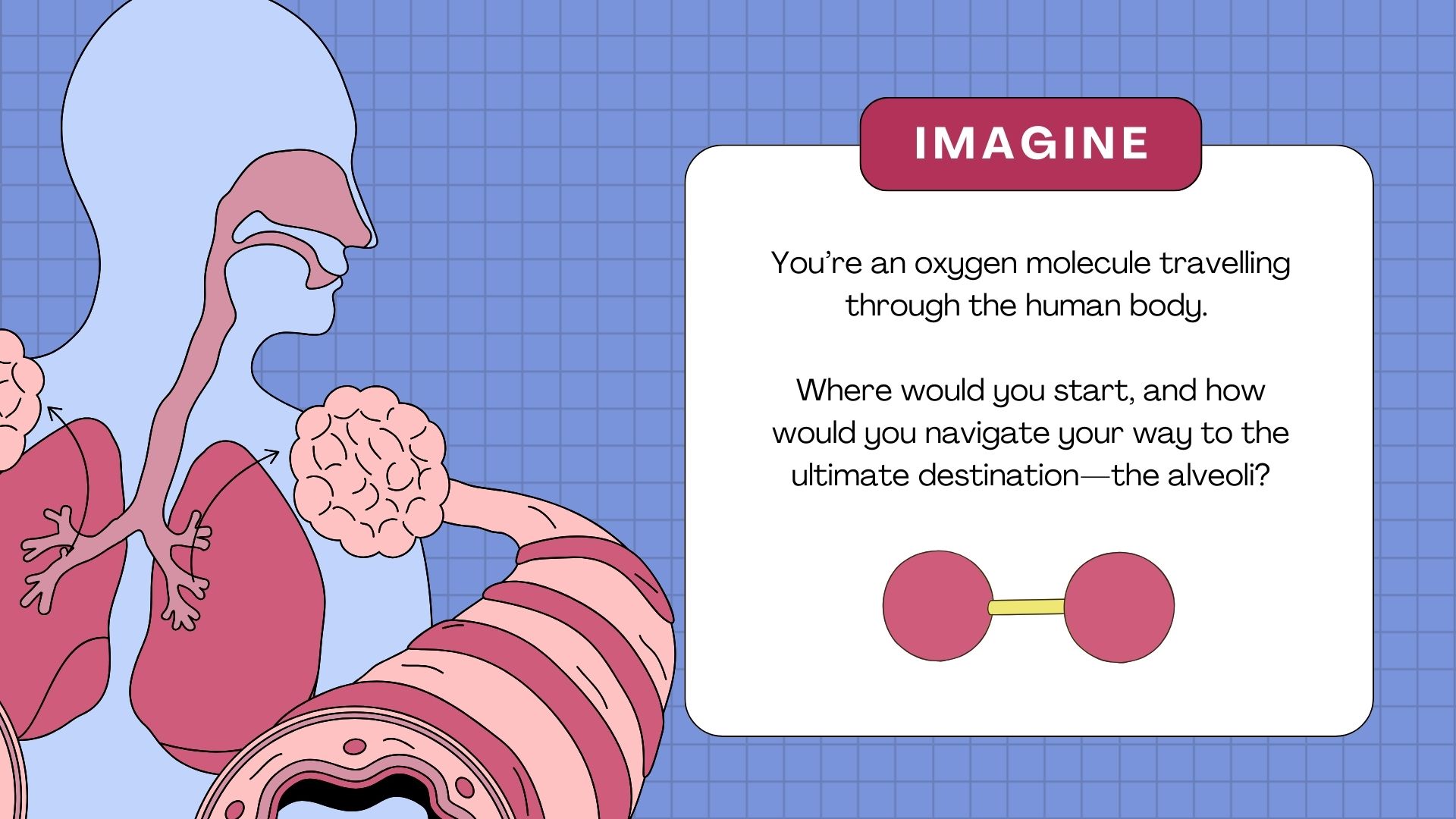
“Where does the air go after we inhale?”
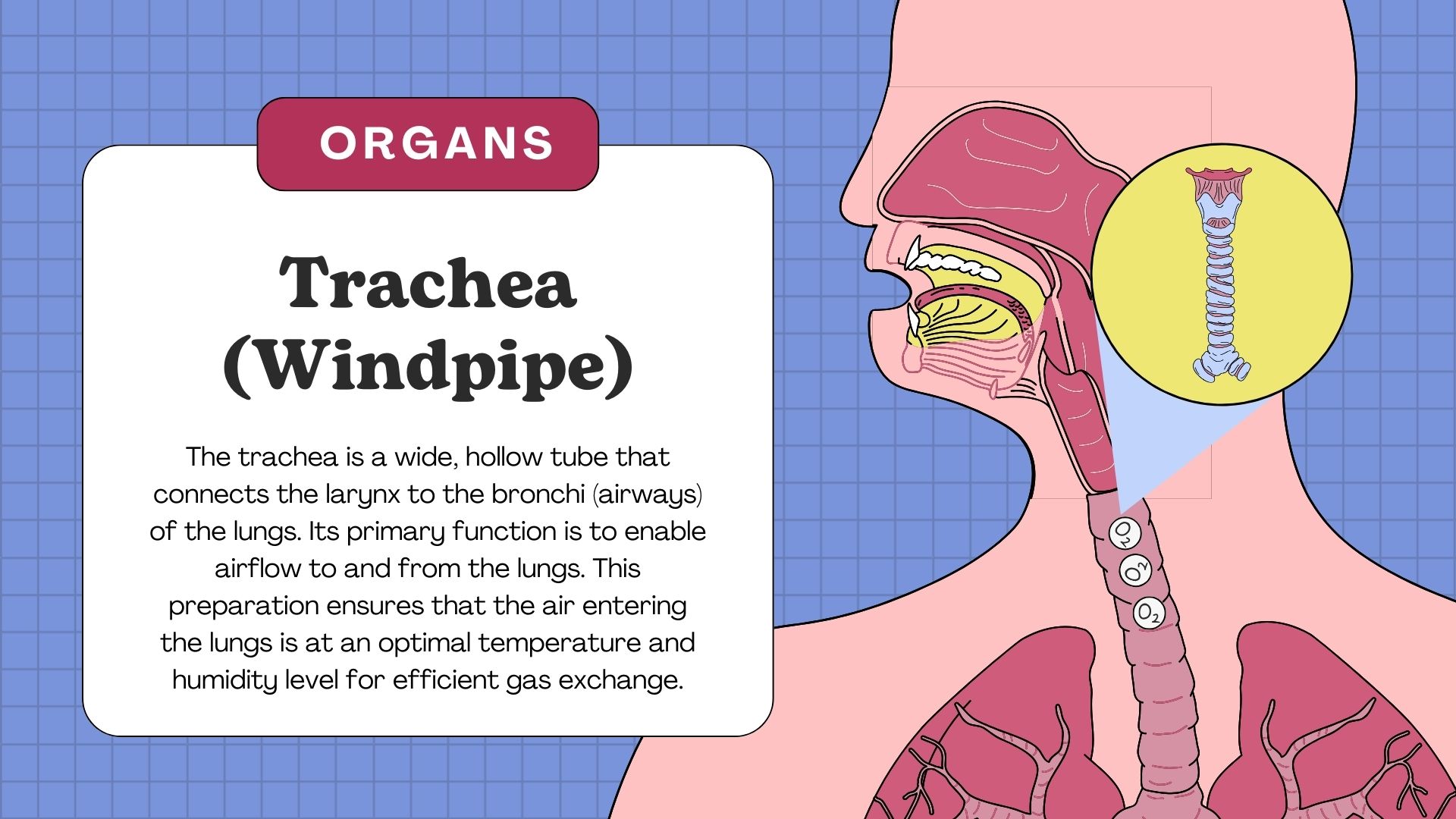
nose → trachea → bronchi → lungs → alveoli
Use a short animation or sketch on a whiteboard to explain gas exchange.
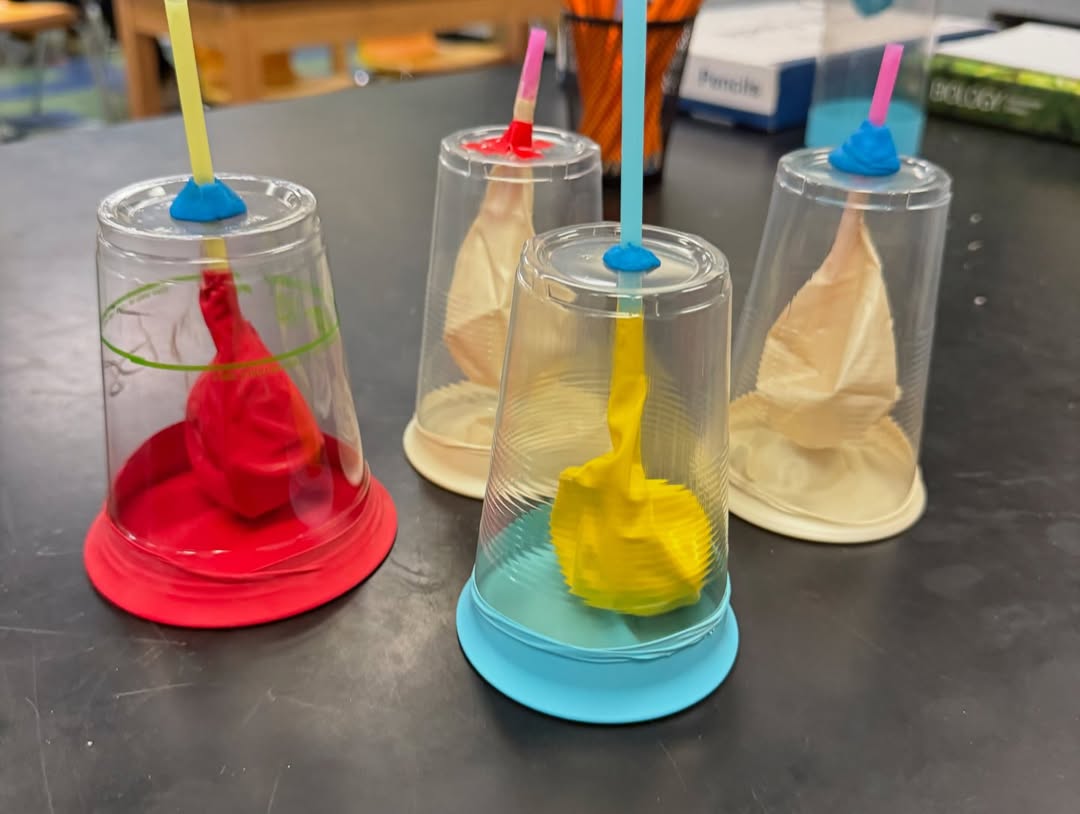
Building the Balloon Lung Model
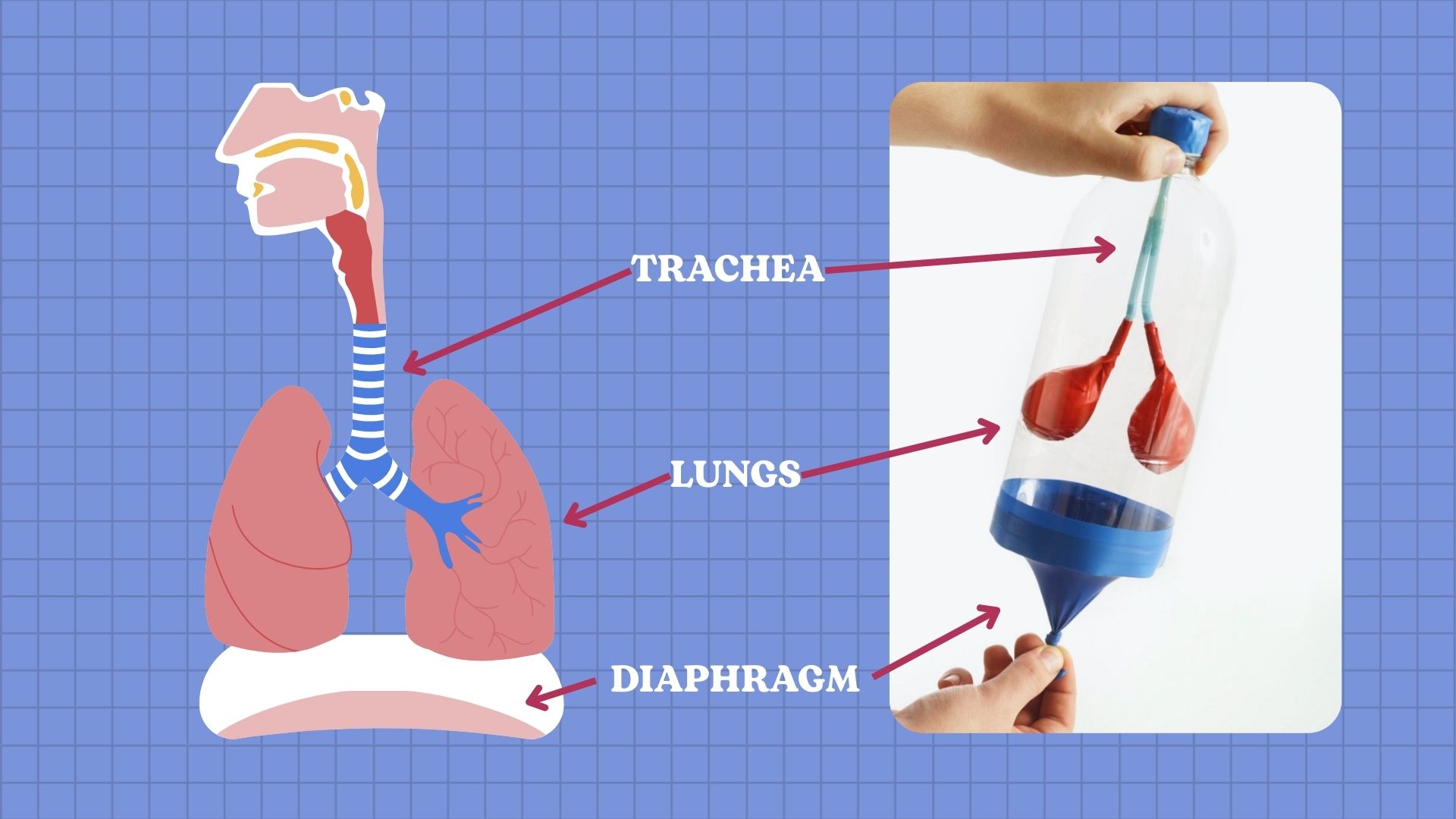
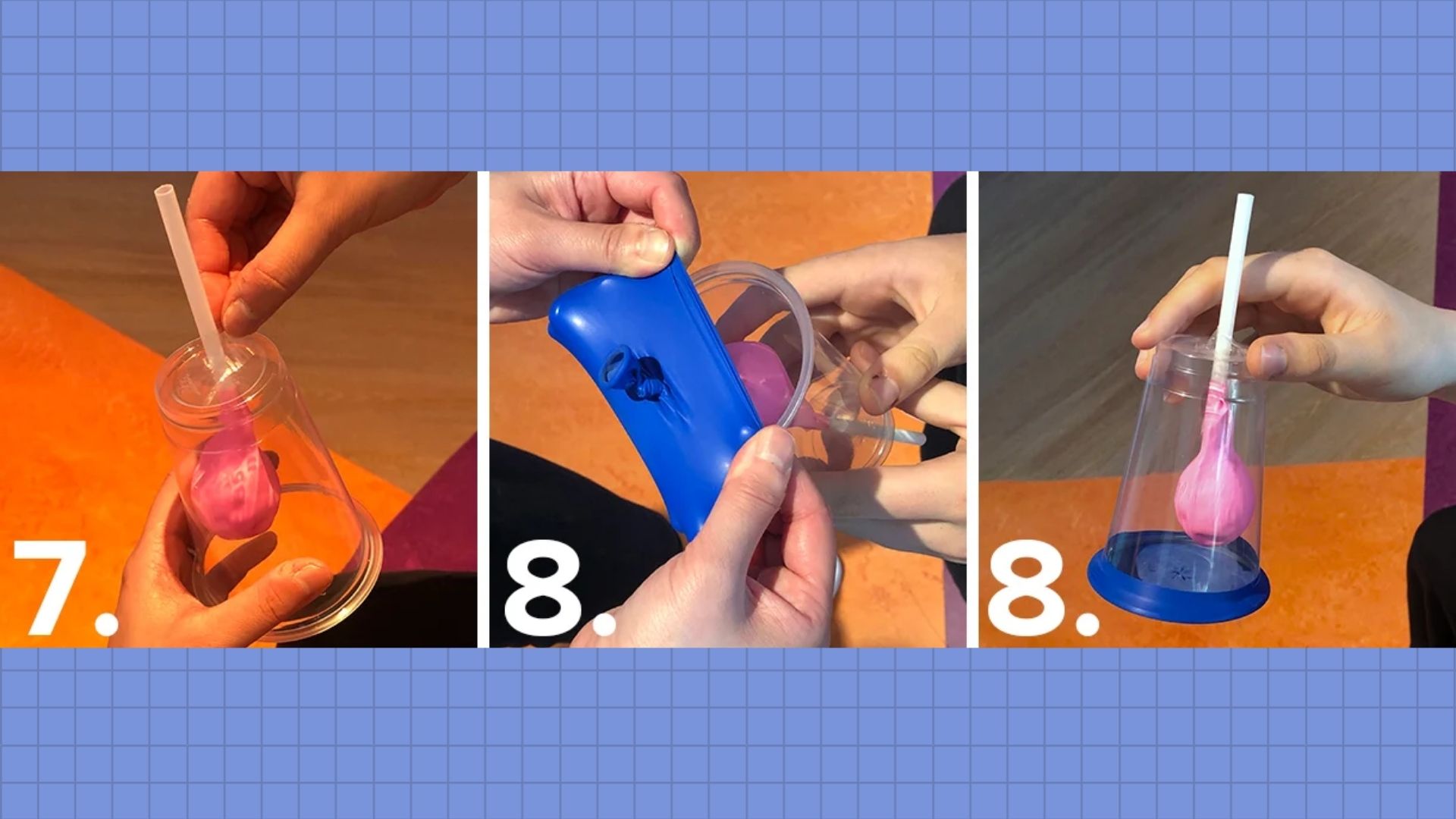
Each student makes their own lung model using a plastic bottle, balloon (lung), and balloon (diaphragm)
• Cut the bottle
• Insert lung balloon into neck
• Seal with tape or cap
• Stretch diaphragm balloon over the base
• Pull/push the diaphragm and observe lung inflation.
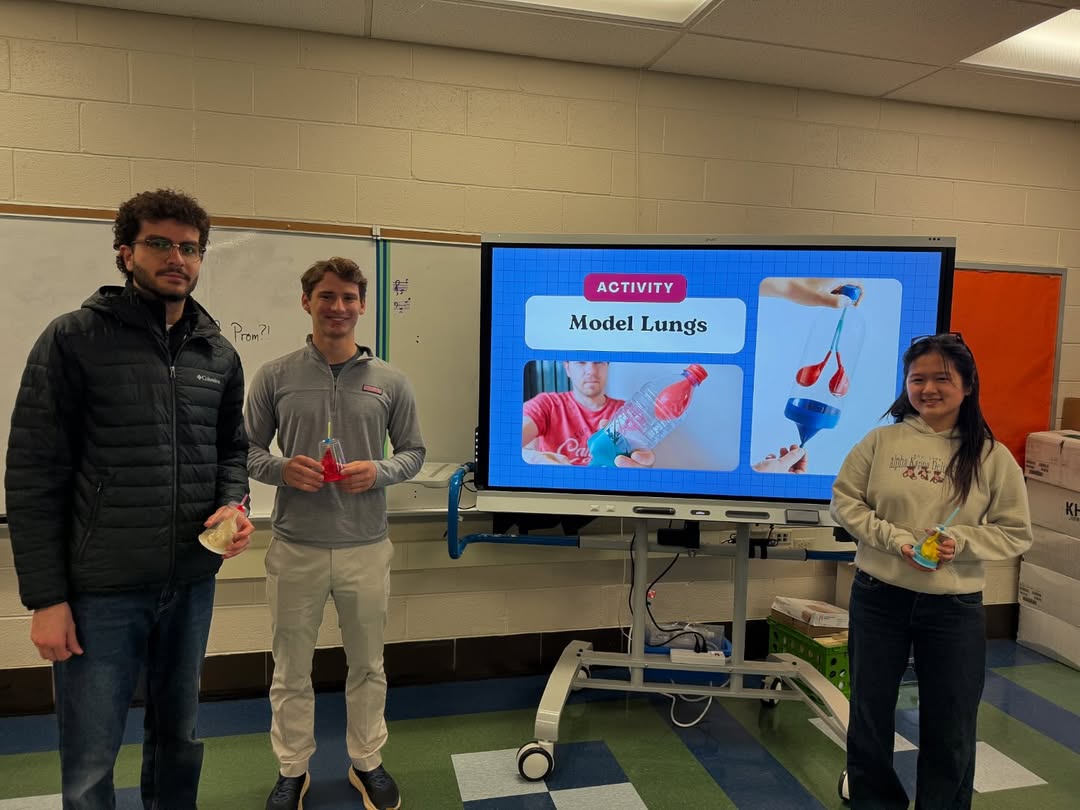
Presentation
Please use this link to view the full slides presentation for this workshop. A sample of the presentation is provided below.